Ask ten people when the best time to visit Mauritius is and you will get ten answers, and most of them will be right. This is an island that is warm all year, with a lagoon that rarely gets truly cold. What changes through the year is the kind of warm: humid and still, or breezy and fresh; calm on the west coast or whipped up by the trade winds in the east.
This guide walks through the two main seasons, the shoulder months in between, and which coast to choose for what you want to do. It keeps things general on purpose. Weather is weather, and no guide can promise you a blue sky on a particular Tuesday.
The short answer
- For hot beach days and the warmest sea: the southern summer, roughly November to April.
- For hiking, sightseeing and comfortable nights: the cooler winter, roughly May to October.
- For kitesurfing and windsurfing: the windy winter months, especially around Le Morne in the south-west.
- For the best balance of everything: the shoulder months on either side of winter, when the heat eases but the wind has not fully arrived.
Mauritius sits in the Southern Hemisphere, so its seasons are the reverse of Europe’s. When it is cold and dark in London or Paris, Mauritius is in full summer.
Summer: November to April
Summer is the classic tropical Mauritius: long, hot days, very warm lagoon water and lush green hills. It is when the island feels most like a postcard, and it is also when most visitors from Europe arrive, around Christmas, New Year and the European winter holidays.
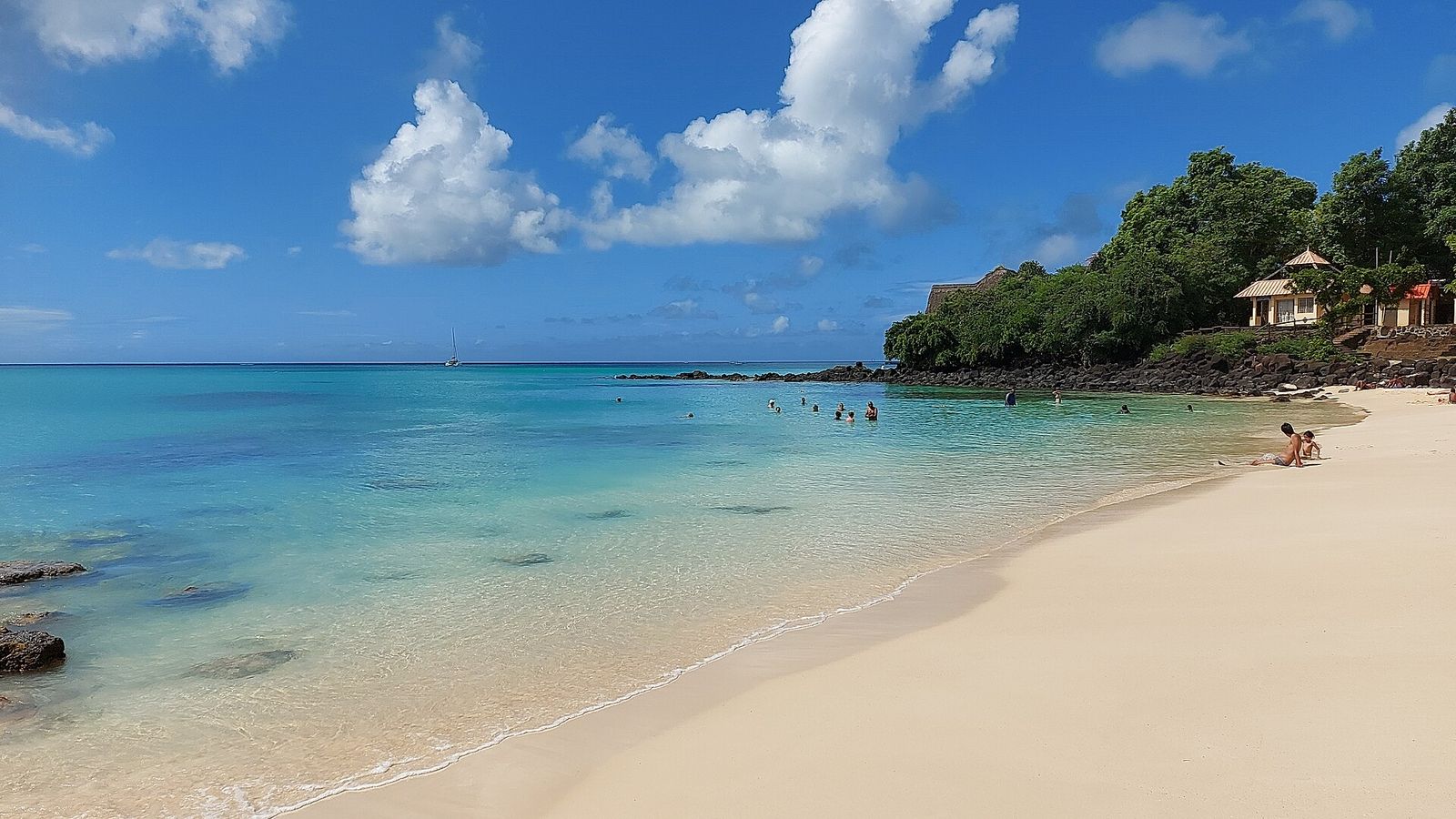
What it is like: Humidity is higher, especially from January to March. Rain usually comes as heavy, short tropical showers rather than all-day drizzle, often in the afternoon, and the central plateau around Curepipe is noticeably wetter than the coast. The sea is at its warmest, which is lovely for swimming and snorkelling.
The cyclone question: Summer is also the cyclone season in the south-west Indian Ocean. Most weeks pass without any storm, but a cyclone or tropical depression can bring several days of heavy rain and strong wind, and occasionally closes the airport or keeps boats in harbour. It is not a reason to avoid summer entirely, but it is a good reason to:
- buy travel insurance that covers weather disruption,
- keep a flexible day or two in your plans, and
- follow the official warnings from the Mauritius Meteorological Services if a system is forming. Hotels are well practised at looking after guests when a warning is in place.
Best for: beach holidays, families on school holidays, honeymooners who want guaranteed heat, snorkelling and lazy lagoon days.
Winter: May to October
The Mauritian “winter” would be a pleasant summer in much of Europe. Days are still warm and often sunny; it is the evenings and mornings that cool down, especially in the highlands, where you will want a jumper.
What it is like: Humidity drops and the south-east trade winds pick up. The air feels fresher and the light is crisp, which makes it the most comfortable time for walking. The sea is cooler than in summer but still swimmable for most people, especially in sheltered lagoons.
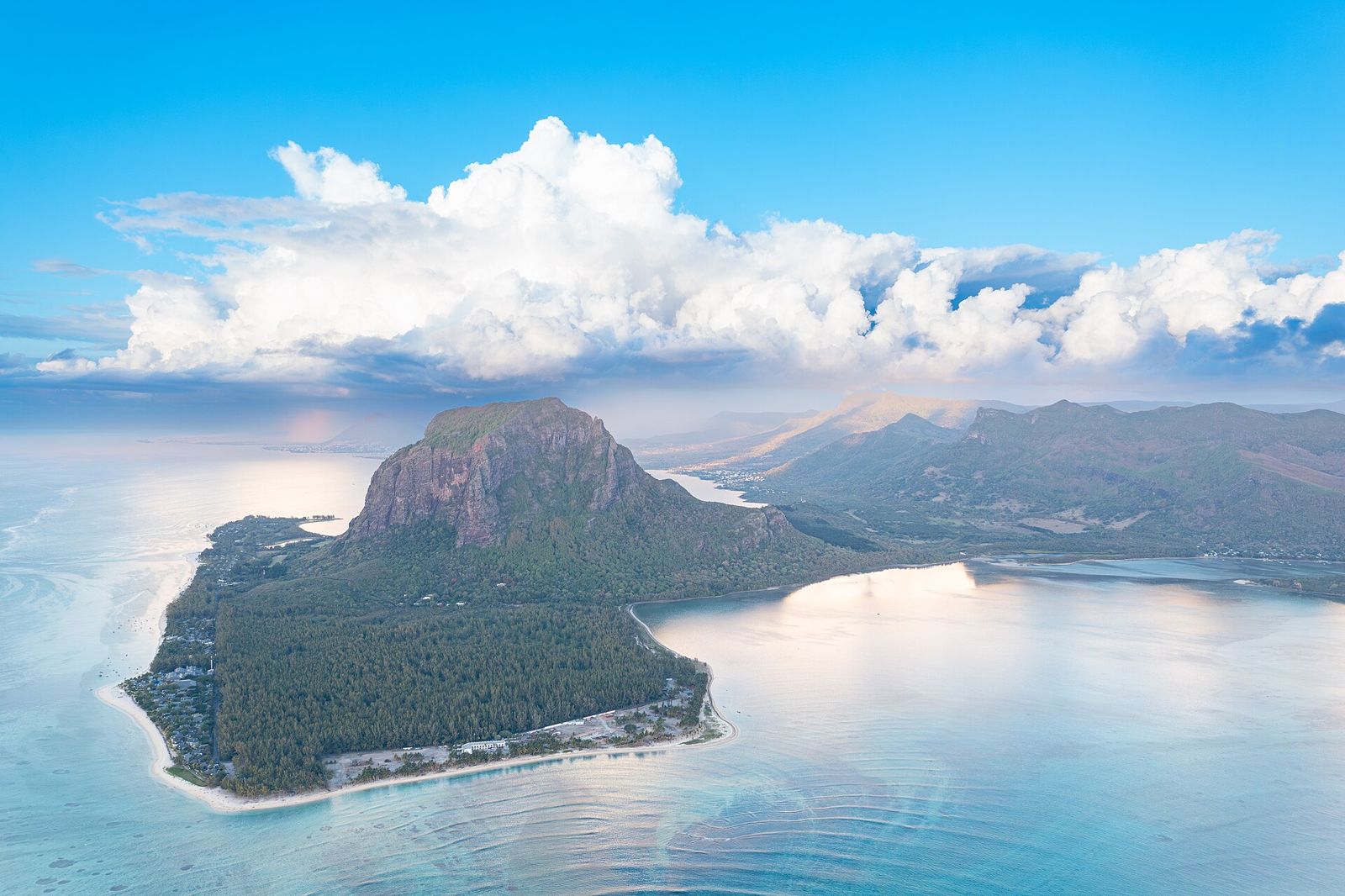
The wind: This is the season’s defining feature. The trade winds blow mostly from the south-east, so the east and south coasts can be breezy and choppy, while the west and north-west, in the lee of the island, tend to be calmer and sunnier. That makes winter a superb season for kitesurfers and windsurfers, and the lagoon off Le Morne is one of the best-known kite spots in the Indian Ocean.
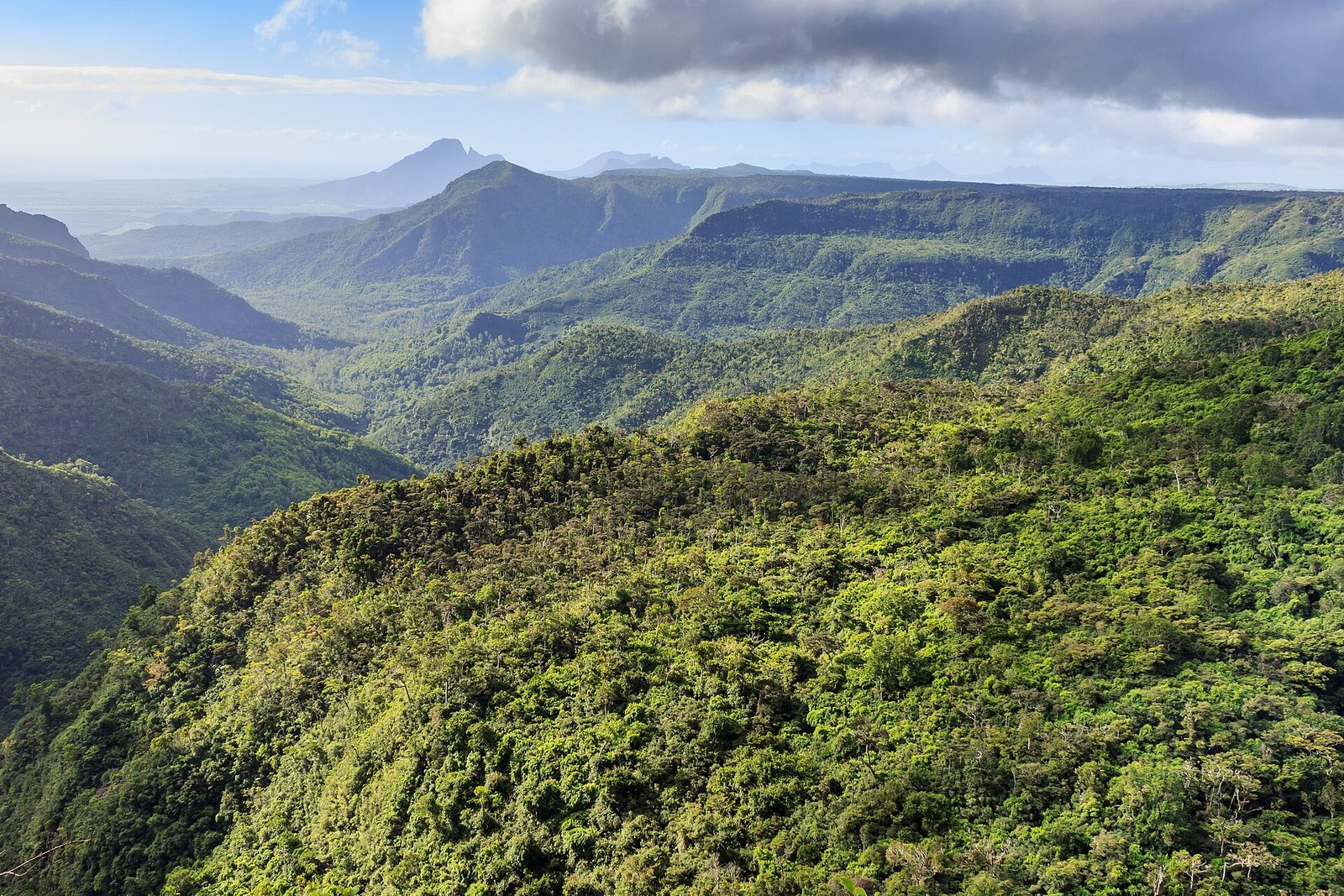
Best for: hiking Le Morne Brabant, Black River Gorges and the Pieter Both and Lion Mountain trails (with a guide where advised), road trips, golf, kitesurfing and travellers who do not love sticky heat.
The shoulder months
The months on the edge of winter, roughly April to early June and September to early December, are many regulars’ favourite time to visit.
- In April and May, the heaviest summer rain and the cyclone risk are fading, but the sea is still holding its summer warmth.
- In September, October and November, the island dries out, the wind starts to drop, and the countryside is at its sunniest before summer humidity builds again.
If you have flexibility, these windows give you warm water, comfortable air and, outside school holidays, often better availability.
Which coast, which month?
Mauritius is small enough to drive around in a day, but where you sleep shapes your holiday more than you might expect.
| Coast | Character | Best in |
|---|---|---|
| North (Grand Baie, Trou aux Biches, Pereybère) | Lively, sheltered, plenty of restaurants and boat trips | All year; a reliable pick in winter |
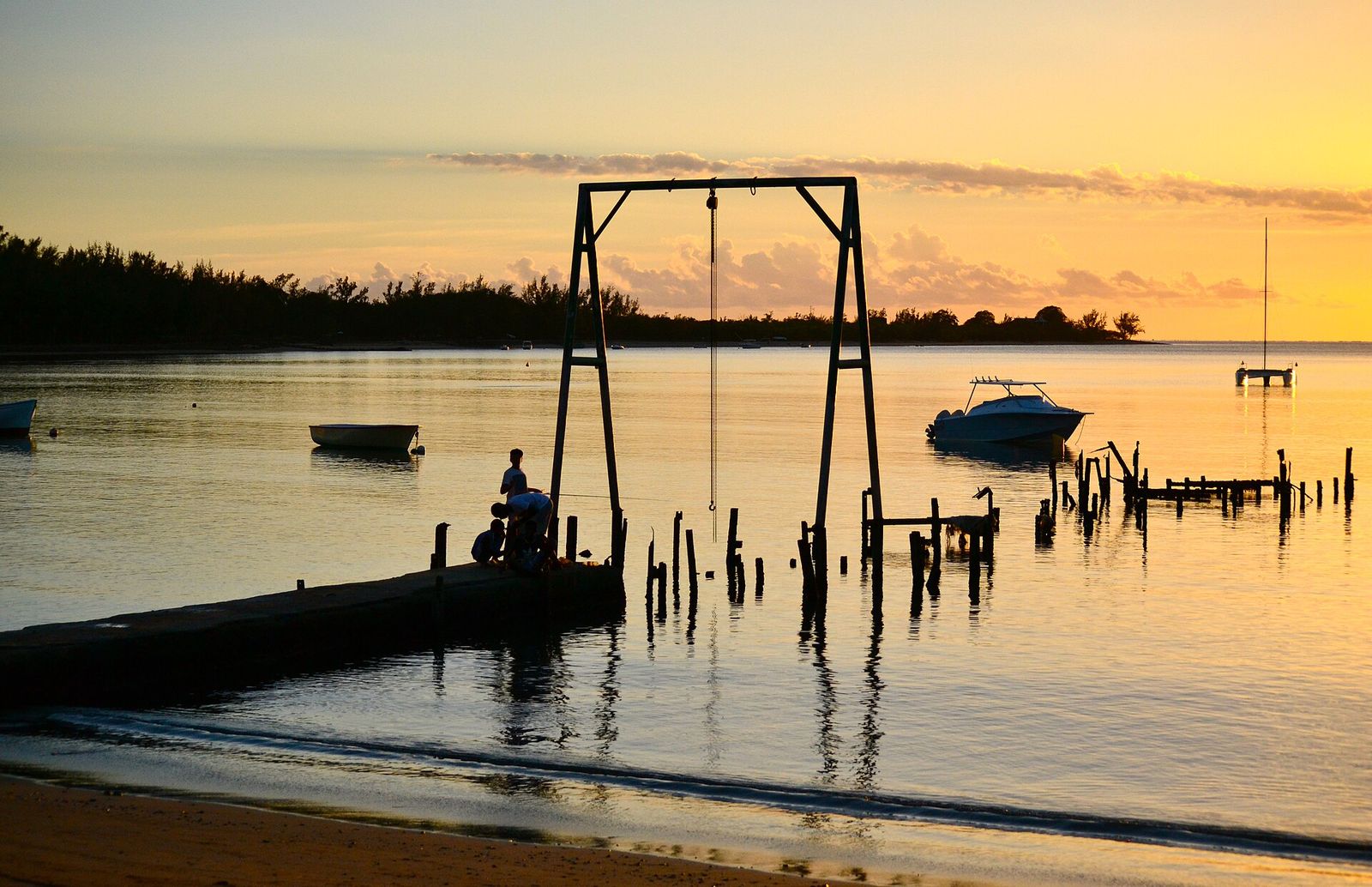
| West (Flic en Flac, Tamarin, Black River) | Calm water, sunsets, close to hiking and dolphin trips | Winter, when it is sheltered from the trade winds |
| East (Belle Mare, Trou d’Eau Douce) | Long beaches, big resorts, fresh breeze | Summer, when the breeze is welcome; can be windy in winter |
| South-west (Le Morne) | Dramatic mountain, wide lagoon, kite capital | Winter for wind sports, all year for scenery |
| South (Blue Bay, Mahébourg, Souillac) | Wilder, quieter, more local | Summer and shoulder months; breezy in winter |
A simple rule: in winter, lean west or north; in summer, every coast works, and the east coast’s breeze becomes a bonus.
Seasons for activities
Diving and snorkelling
You can dive all year. Many divers like the warmer, generally calmer summer and the shoulder months for visibility and comfort, while winter swell can make some exposed sites less accessible on the windward coasts. Your dive centre will choose sites to suit the day.
Hiking
The cooler, drier winter months are best. Start early, carry plenty of water and check conditions after rain, because volcanic trails become slippery. For Le Morne Brabant, the upper section is steep and a local guide is a good idea.
Whale and dolphin watching
Spinner and bottlenose dolphins are seen off the west coast throughout the year. Humpback whales pass Mauritius during the southern winter as part of their migration; ask a responsible operator about the current season, and choose one that respects the official rules on keeping distance.
Festivals
Mauritius has a rich calendar of Hindu, Muslim, Christian, Chinese and Creole festivals, including Thaipoosam Cavadee, Maha Shivaratri, Diwali, Eid, Chinese Spring Festival and the Père Laval pilgrimage. Many follow lunar calendars, so the dates move each year. Check the current year’s dates before you build a trip around one, and remember that public holidays can mean busy roads and closed offices.
Prices and crowds
Rather than chase exact numbers, which change every year, think in patterns:
- Busiest and priciest: Christmas and New Year, plus European school holidays such as Easter and the summer break in July and August.
- Quieter: many weeks between late April and June, and parts of September to November.
- Flights: often drive the total cost more than hotels. Book early for peak holidays and watch for sales for shoulder dates.
Self-catering apartments and smaller guesthouses, especially in the north and west, can make Mauritius far more affordable than its luxury reputation suggests.
Our month-by-month cheat sheet
- January to March: hottest and most humid, cyclone risk at its highest. Great water, pack for showers.
- April: a lovely shoulder month; the weather settles and the sea is still warm.
- May and June: fresher, drier and less crowded. Good all-rounder months.
- July and August: coolest and windiest; ideal for kiting and hiking. European holidays keep some areas busy.
- September and October: dry, sunny and pleasant, with the wind easing. A favourite for many.
- November and December: warming up fast; early summer beach weather, getting busy towards Christmas.
Before you book
Check the latest entry and health rules with the official tourism board, Mauritius Tourism Promotion Authority, and your own government’s travel advice. Then pick your season by what you want to do, choose a coast to match, and leave a little slack in the plan. Mauritius rewards travellers who are happy to swap a beach day for a mountain day when the weather decides.
Where to stay in Mauritius: hotel ideas
A short list of well-known places to stay, from budget to luxury, picked for location and style. We have not been paid to include them. Prices and availability change often, so compare rates and read recent reviews before you book.
- Budget
Coin de Mire Attitude
Cap Malheureux / Bain Boeuf, north coast
A family-friendly three-star hotel between Cap Malheureux and Grand Baie, across the coast road from Bain Boeuf beach and facing Coin de Mire island.
Official website → - Mid-range
Veranda Grand Baie
Grand Baie, north coast
A four-star, all-inclusive hotel in Grand Baie, handy for the north's restaurants, boat trips and sheltered beaches.
Official website → - Luxury
LUX* Le Morne
Le Morne, south-west coast
A five-star beach resort at the foot of Le Morne Brabant on the west coast, known for its sunsets and close to the kitesurfing lagoon.
Official website → - Luxury
One&Only Le Saint Géran
Pointe de Flacq / Belle Mare, east coast
A landmark luxury resort on a private peninsula between the lagoon and the open ocean on the east coast.
Official website →
Timetables, park fees and entry rules change, sometimes at short notice. Check the official links in this guide before you book anything.