The Vallée de Mai is small enough to walk across before lunch. The Seychelles Islands Foundation, which runs it, puts it at 19.5 hectares, which makes it one of the smallest natural World Heritage Sites on the planet. Yet it holds the world’s largest stand of a palm that grows the biggest seed in the plant kingdom, a nut that can weigh up to 20 kilograms.
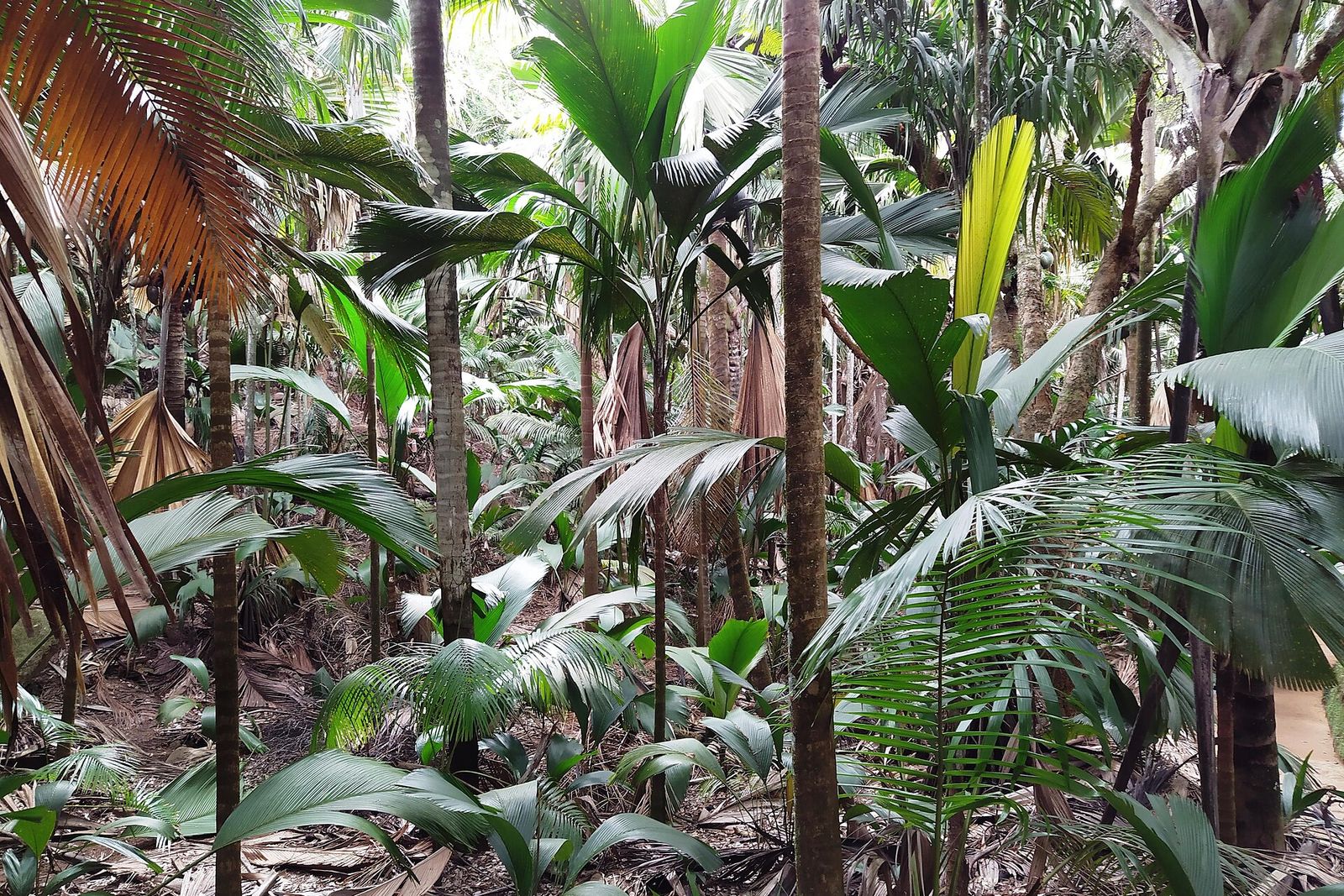
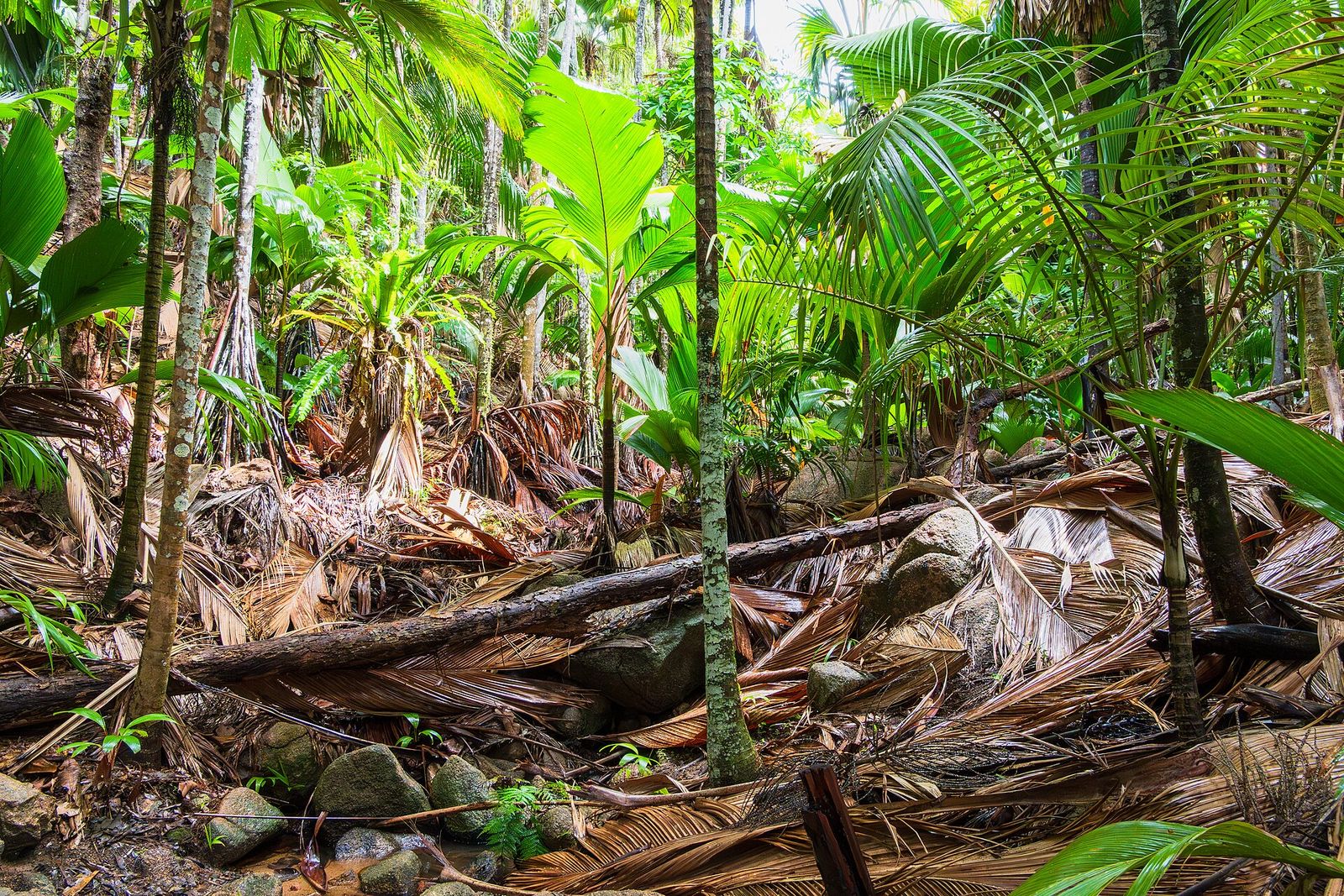
Stand under one of those palms and the forest makes its own weather. UNESCO describes dappled sunlight and a spectrum of green, red and brown fronds, and the dry leaves clack and creak whenever the wind moves. If it rains, you barely notice. SIF says as much on its visitor page: should it rain, the palm forest will shelter you.
This is the practical version: what you are looking at, how long to give it, and how to time a visit so you are not rushing the last hour.
Why a nut made this forest famous
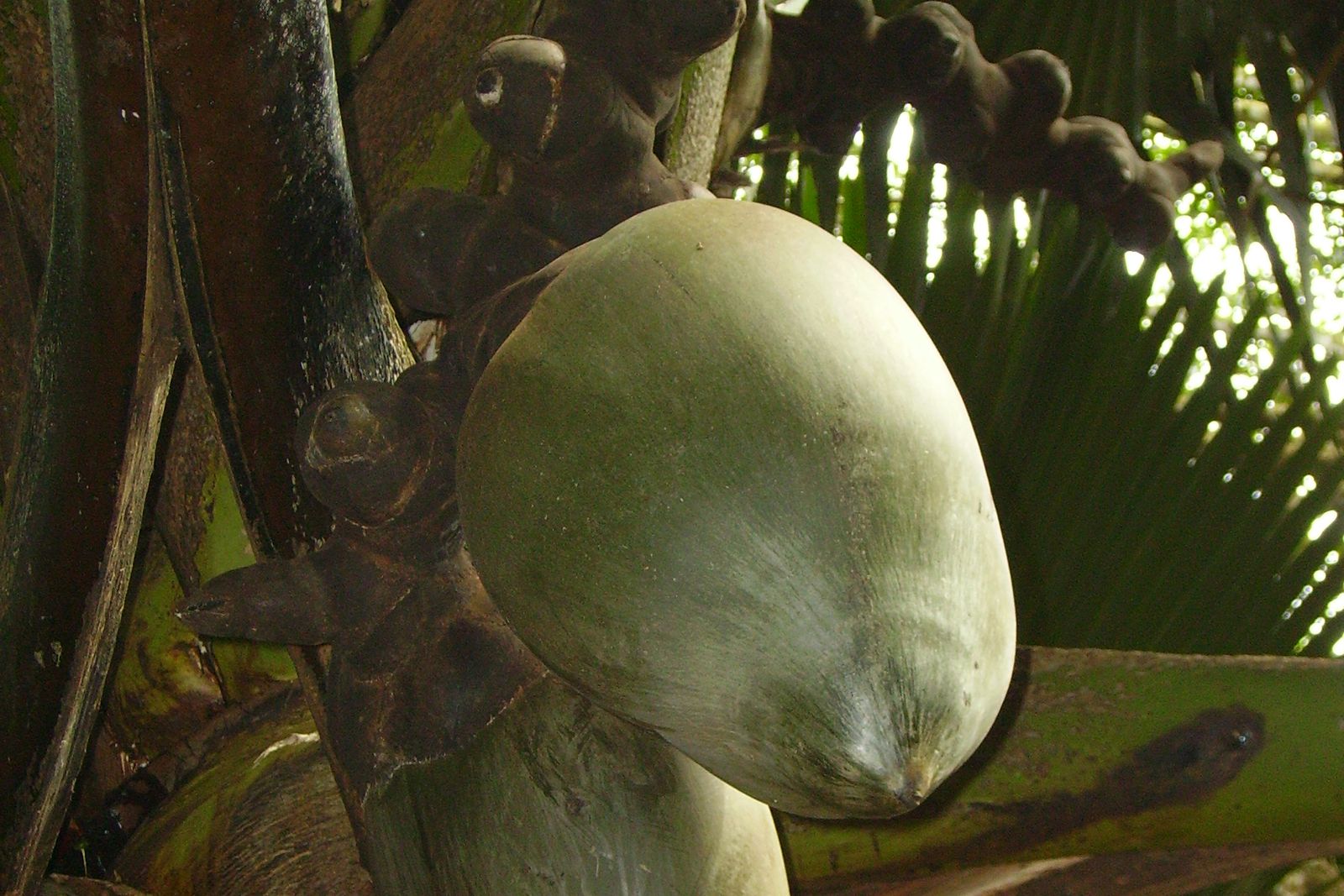
The coco de mer (Lodoicea maldivica) grows wild on only two islands, Praslin and Curieuse. The “de mer” comes from an old belief that the palm grew in the depths of the sea, and UNESCO’s listing still mentions it in its first line.
The real biology is stranger than the legend. According to SIF, adult trees pass 25 metres, a female nut takes five to six years to ripen on the tree, and once it falls it needs three to six months just to germinate. A palm does not start reproducing until it is somewhere between 15 and 50 years old, and its lifespan is estimated at more than 200 years. Nobody is yet sure how it is pollinated. Insects, wind, skinks, bats, geckos and even slugs have all been suggested.
That slow life cycle is why the nuts are guarded. UNESCO names illegal removal of seeds as a serious threat to the forest’s future, and SIF’s rangers collect and plant seeds themselves before they can be stolen. Look, photograph, and leave them where they are.
Six palms, one valley
The coco de mer gets the headlines, but the reason UNESCO inscribed the valley in 1983 is the whole cast. The Vallée de Mai is the only place in the Seychelles where all six of the country’s endemic palms grow side by side. Among them is the palmiste, once cut for its heart to make “millionaire’s salad”. Taking the heart kills the tree, so the species has been protected since 1998 and the dish is now made from ordinary coconut palms.
Look closely at the trunks of the younger thief palms and palmistes and you will see rows of sharp spines. SIF suggests they are a leftover defence against giant tortoises that no longer roam Praslin. It is a forest still armed against an animal that has gone.
The parrot that lives on one island
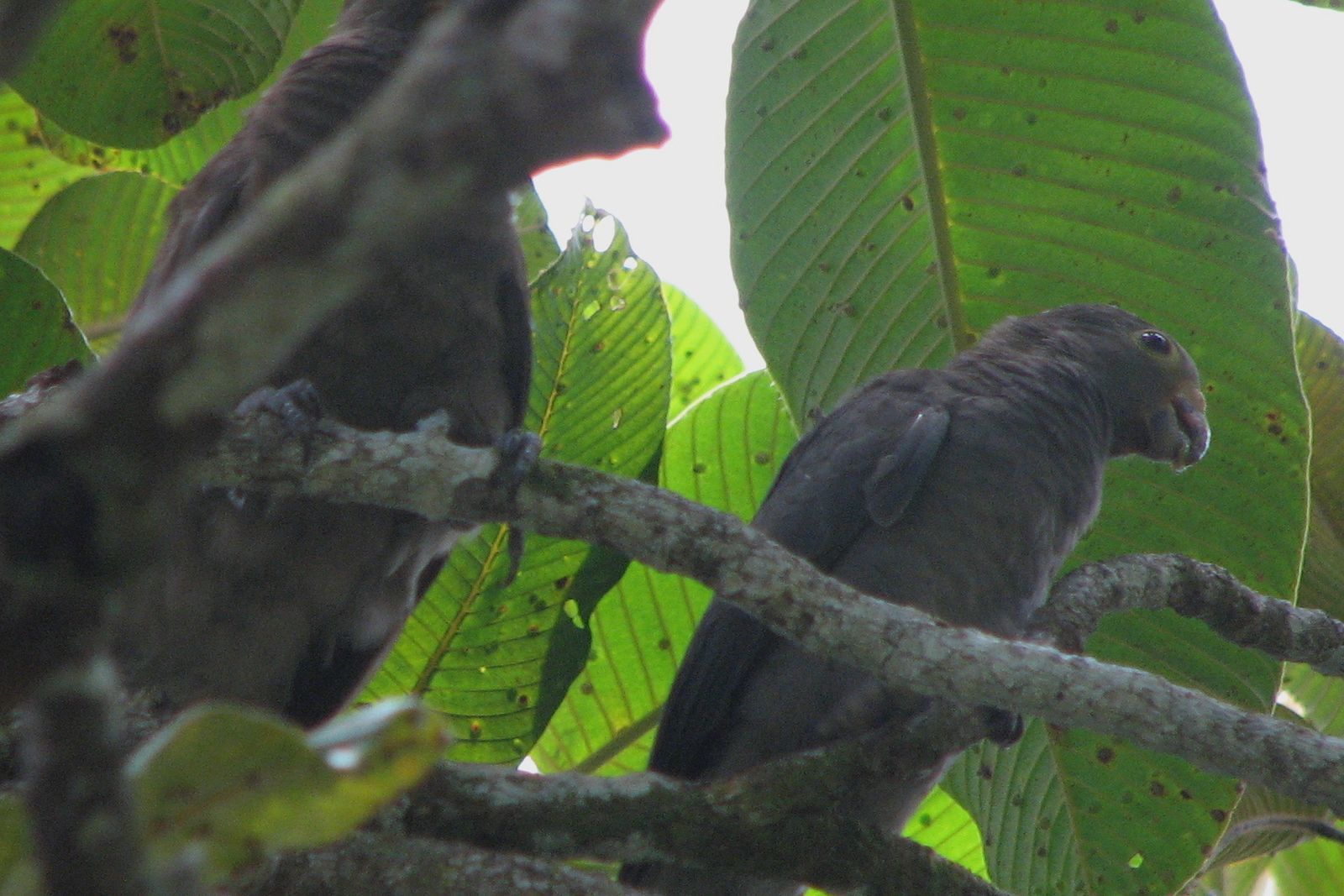
The Seychelles black parrot is the national bird, and it lives only on Praslin. SIF’s 2018 census counted 1,382 birds, which is the entire wild population. They depend on mature coco de mer forest: dead coco de mer trunks are their most common nesting holes, and their favourite food is the fruit of the endemic palms, not the mangoes and papayas you may see them raiding in gardens.
They spend much of their time high in the canopy, so bring binoculars, walk slowly and stop often. The morning, before the day tours arrive, is the quietest time to listen and look.
While you are looking up, watch for the bright green day geckos. SIF notes that the larger species often sits high on the male flowers of the coco de mer, feeding on pollen. The Seychelles chameleon, rediscovered in 2009 after almost 200 years of confusion in museum records, is also most common here, though finding one against all that green takes luck.
How to plan the visit
SIF gives the opening hours as 8:30 to 16:30 every day, with last entry at 15:30. The only closures are 25 December and 1 January. The entrance fee at the visitor centre is SCR 450, payable in rupees, euros, US dollars or pounds, in cash or by card, and SIF also sells tickets online. The money funds the valley and Aldabra Atoll, the foundation’s other World Heritage Site more than 1,000 kilometres from the inhabited islands.
Every visitor gets a free leaflet with a path map and a checklist of common species. The marked routes run from about 1.5 to about 4 kilometres. The short loop works in an hour; give the longer paths two hours or more if you want to stop and watch for birds. The visitor centre and the first part of the forest are wheelchair accessible, and there is a cafeteria, lockers, toilets and parking. Independent guides work at the entrance if you want someone to point out the species.
Getting there is easy. The reserve sits on the road across the middle of Praslin, and SIF says a bus stop outside the visitor centre is served throughout opening hours. Taxis and hire cars work too, and day tours come over from Mahé and La Digue.
The trap is the clock. If you are on a day trip from Mahé, it is tempting to do a beach first and the forest after. Do it the other way round. The forest is cooler and livelier in the morning, and the 15:30 cut-off arrives fast once you add a ferry and lunch.
When to go
The forest is open all year and the canopy shades you from both sun and showers, so the valley is less weather-dependent than the beaches around it. December is when the Seychelles tree frog’s breeding calls peak around the streams. For the wider picture of wind and rain across the region, our best month to visit planner lays out the Indian Ocean seasons island by island.
Where to base yourself
Praslin is small, so anywhere on the island puts the valley within a short drive or bus ride. Pair it with a morning at Anse Lazio, then a day at La Digue by bicycle, and you have the classic Praslin three days. If you are keeping costs down, our Seychelles on a budget guide covers the ferries, buses and self-catering options, and travellers adding another island stop can compare the Maldives local islands or Mauritius’s two UNESCO sites in a day.
The places to stay below were checked on their official websites.
Where to stay in Seychelles: hotel ideas
A short list of well-known places to stay, from budget to luxury, picked for location and style. We have not been paid to include them. Prices and availability change often, so compare rates and read recent reviews before you book.
- Budget
Romance Bungalows
Beau Vallon, Mahé
Self-catering bungalows with kitchenettes at Beau Vallon on Mahé, within walking distance of the beach.
Official website → - Mid-range
Coco de Mer Hotel & Black Parrot Suites
Praslin
A hotel on Praslin that also offers the Black Parrot Suites, a practical base for exploring Praslin's beaches and Vallée de Mai.
Official website → - Upscale
Le Domaine de L'Orangeraie
La Digue
A resort and spa on La Digue, the small island best explored by bicycle.
Official website → - Luxury
Constance Lemuria
Praslin
A luxury resort on Praslin with suites and villas.
Official website → - Luxury
Four Seasons Resort Seychelles
Petite Anse, south-west Mahé
A luxury resort at Petite Anse, Baie Lazare, on the south-west coast of Mahé.
Official website →
Timetables, park fees and entry rules change, sometimes at short notice. Check the official links in this guide before you book anything.