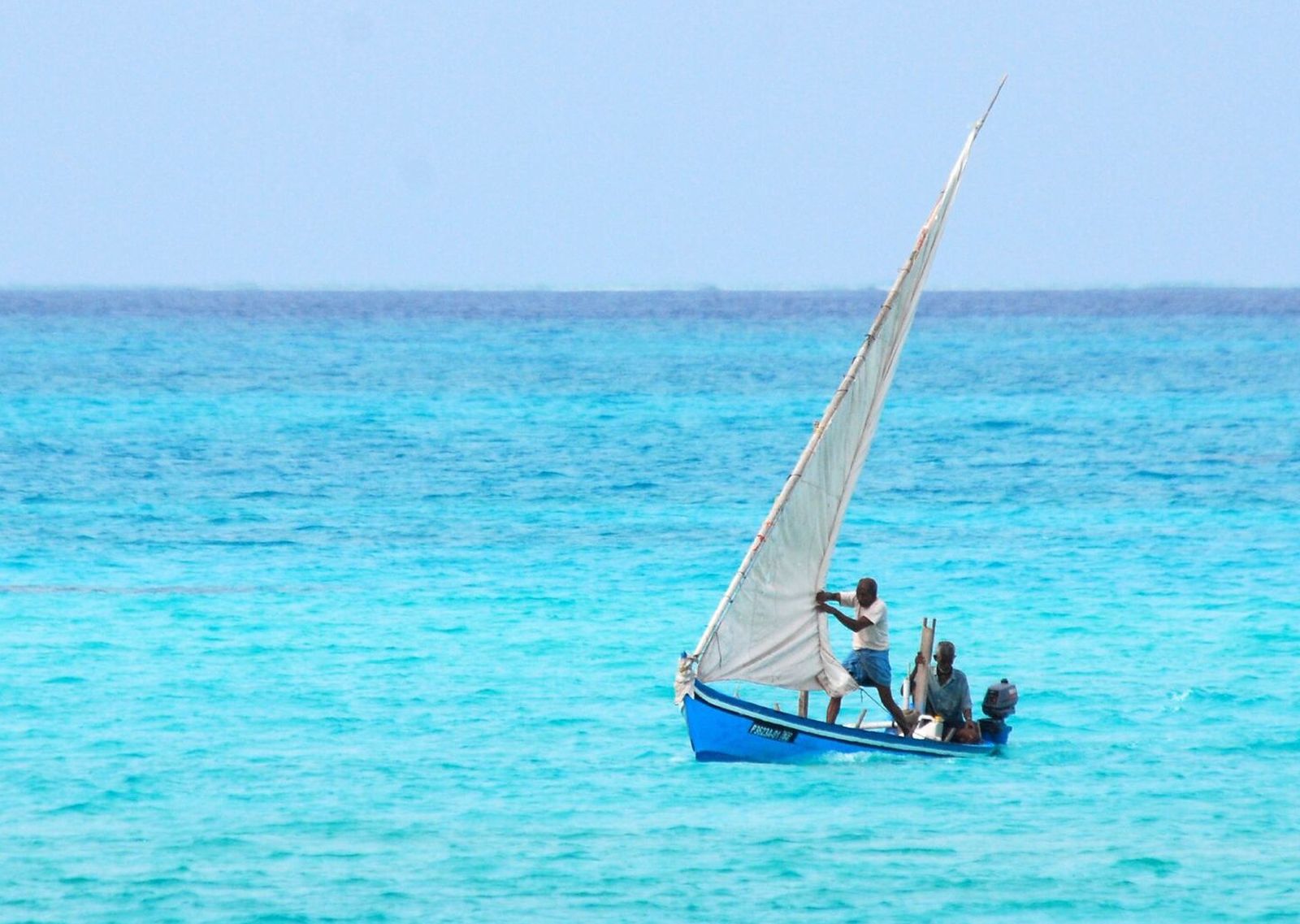
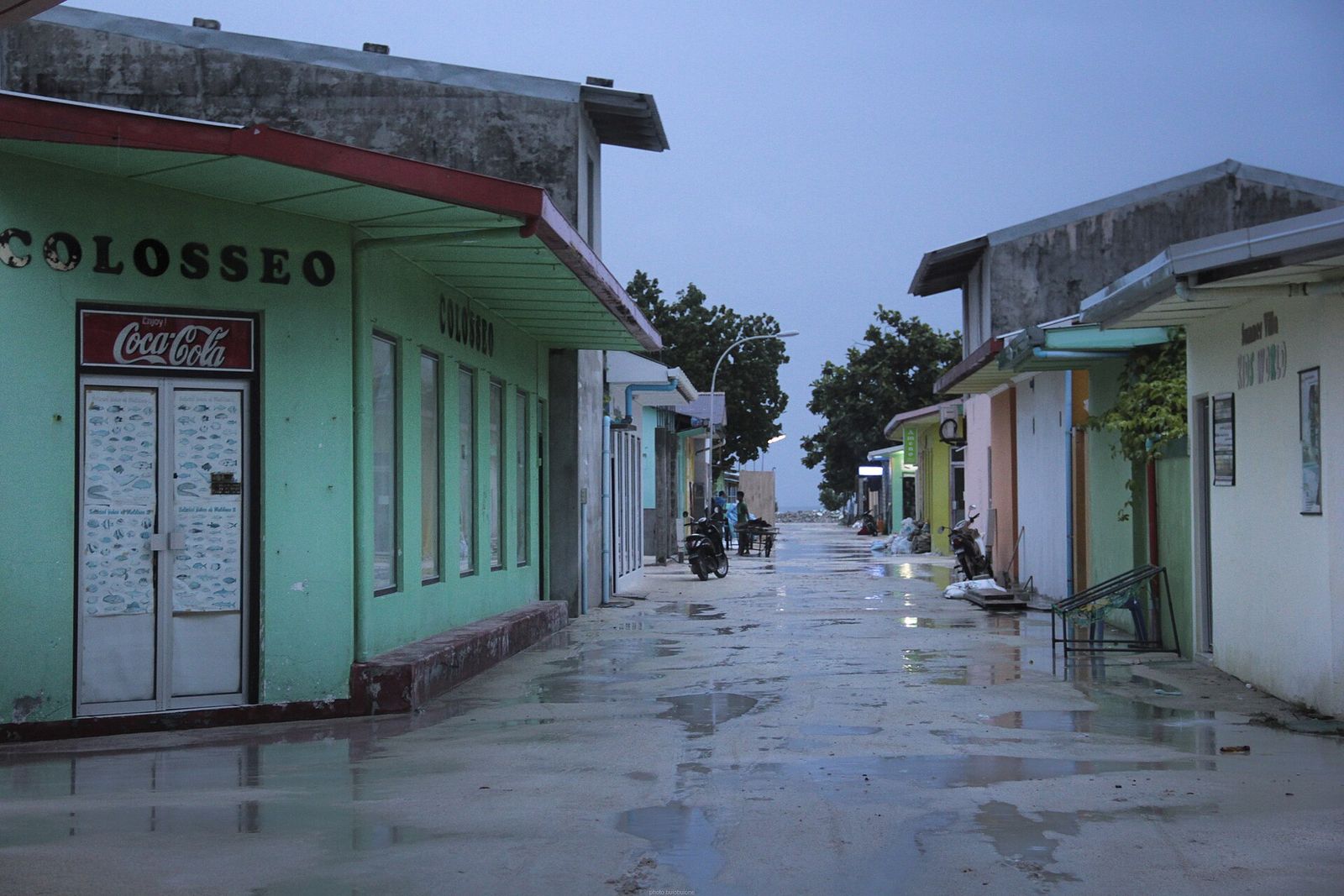
The first thing you notice on a Maldivian local island is not the water. It is the football pitch. Somewhere near the middle of almost every inhabited island there is a sandy pitch, a mosque, a school, a row of small shops selling tuna, biscuits and phone credit, and children on bicycles who are entirely unimpressed that you crossed half the planet to be here. The lagoon is still that ridiculous shade of blue. It is just that people also live next to it.
For most of the country’s tourism history, foreign visitors barely saw this side of the Maldives. The model was one island, one resort, and a seaplane that delivered you straight to your water villa. Guesthouses on inhabited islands changed that. You can stay on an island with a real village, eat at local cafés, take the same boats the islanders take, and spend a fraction of what a resort costs. You also have to play by a different set of rules, and most of the disappointment people report comes from not knowing them in advance.
What a “local island” is, and what it is not
A local island is an inhabited island with its own community, council and daily routine. Tourism lives alongside that, not on top of it. The Maldives is a Muslim country, and on inhabited islands that shapes three things visitors notice straight away: what you wear, what you drink and what happens on Fridays.
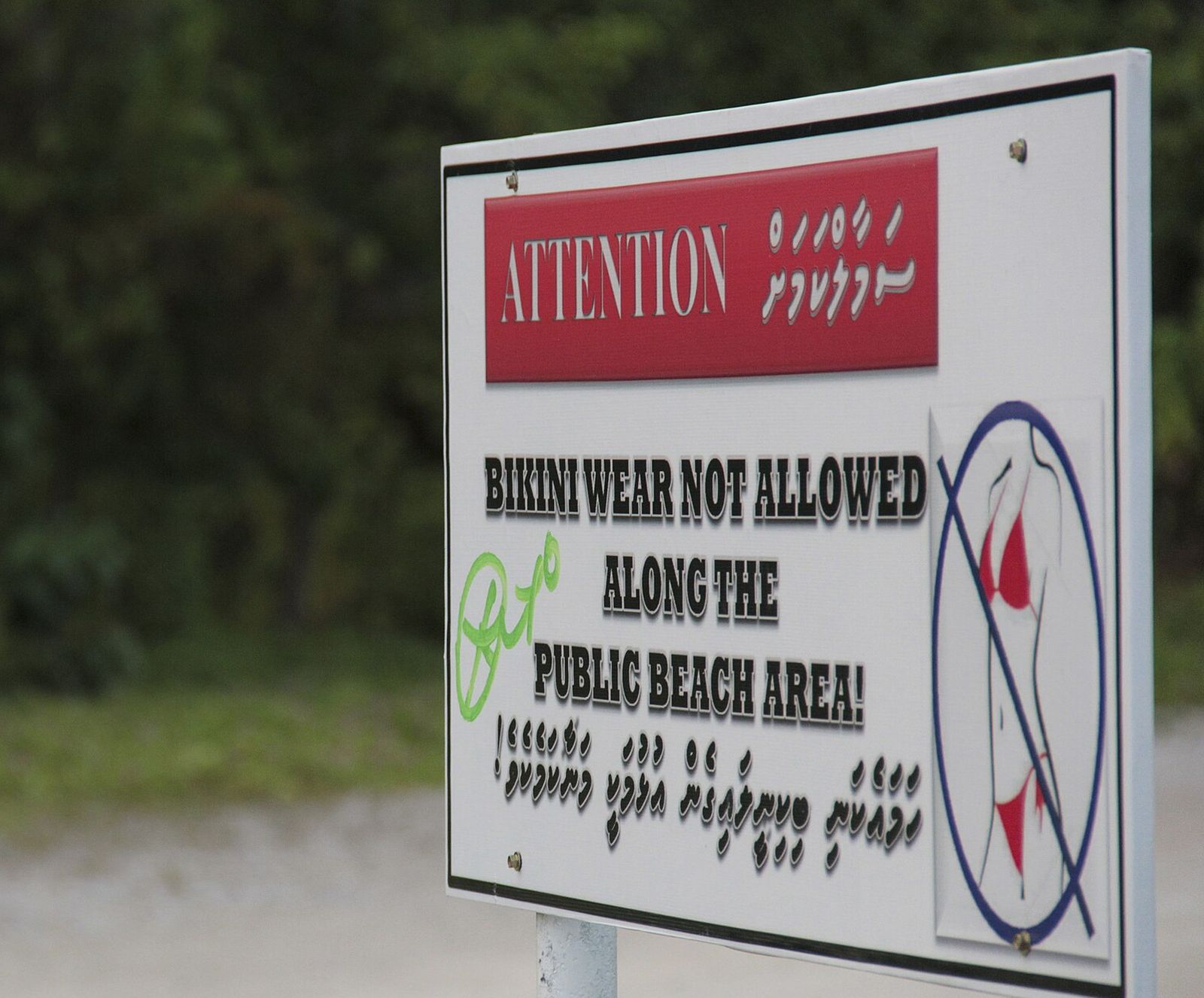
Swimwear goes on the designated tourist beach, usually called the bikini beach, which is a marked or fenced stretch of sand set aside for visitors. Outside it, in the village lanes, the cafés and the harbour, cover shoulders and knees. Men keep their shirts on. A sarong or a light dress over your swimsuit for the walk to the beach solves most of this. Topless sunbathing is against the law everywhere in the country, resorts included, so that one is not a local-island quirk.
Inhabited islands are dry. No alcohol is sold, guesthouses cannot serve it, and anything you bring through Velana International Airport will be taken off you at customs, duty-free bottle and all. The UK government’s travel advice for the Maldives is blunt about the consequences of drinking outside resorts, and it is worth a read before you go. The workarounds are legal and well established: some islands, Maafushi in particular, have licensed “floating bars” on boats moored offshore, and many guesthouses can arrange a day pass to a nearby resort. Plenty of people just treat it as a dry week.
Fridays are quiet. Shops close around midday prayers, and the government-run public ferries do not sail at all. During Ramadan, avoid eating, drinking or smoking in public during daylight; guesthouses still feed their own guests.
Getting there without paying resort transfer prices
Every trip starts at Velana International Airport, on its own island next to the capital, Malé. From there you have two realistic options.
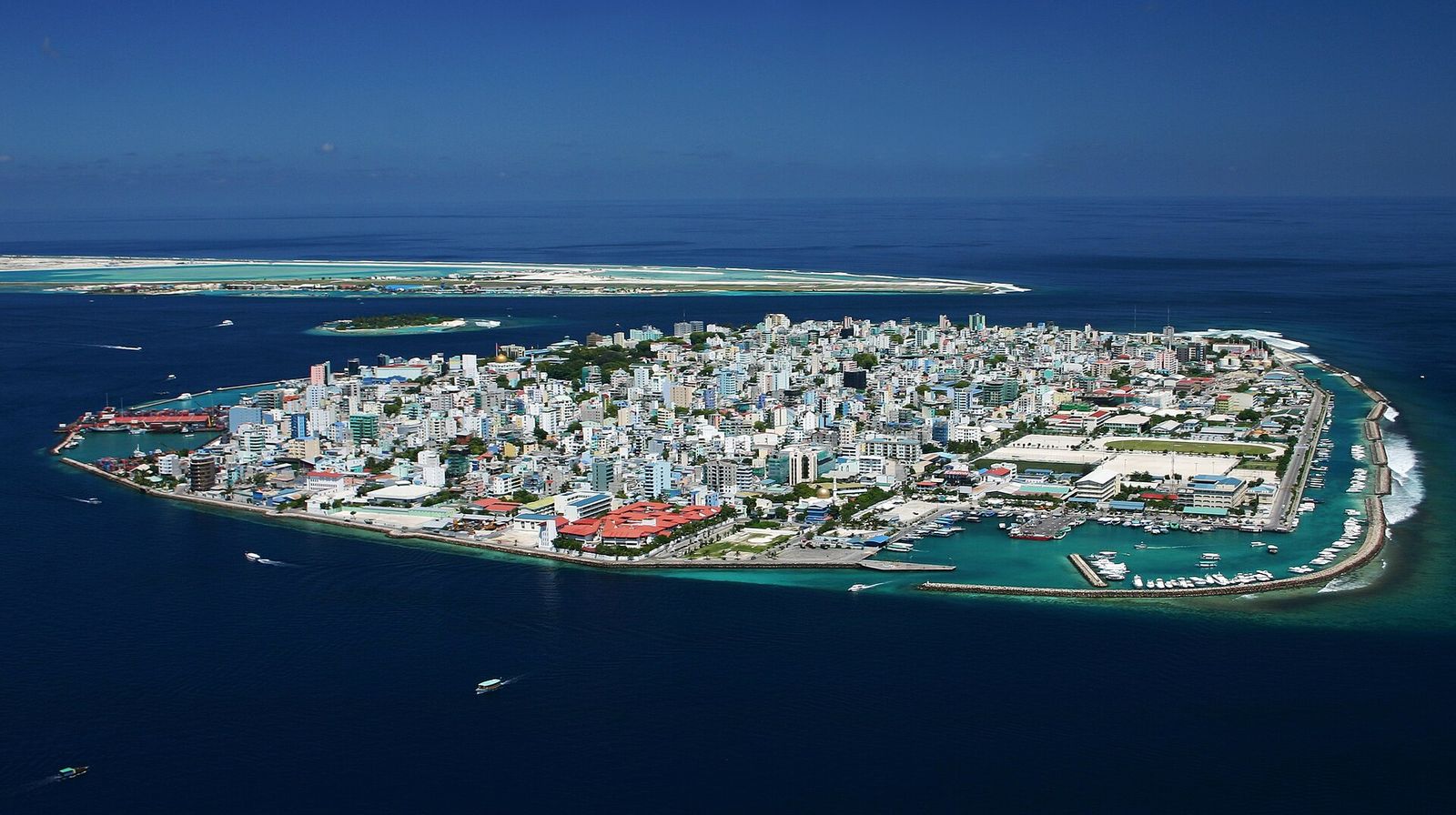
The public ferry is run by the state transport company MTCC. It is slow, extremely cheap and leaves from Malé rather than the airport, so you first take the short airport ferry or a taxi across the bridge into the city. Fares are a few dollars, paid in cash at the terminal. On the MTCC timetable that took effect on 1 August 2026, Maafushi is served by route 309, leaving Malé at 15:00 every day except Friday and reaching the island at about 16:40, with route 306 also calling there on Sunday, Tuesday and Thursday mornings on its way to Fulidhoo. The independent site Budget Atoll keeps a readable copy of the public ferry timetable, and MTCC publishes its own schedules. In mid-2026 the boarding point for the South Malé ferries was reported as temporarily moved, so confirm where to go with your guesthouse the day before.
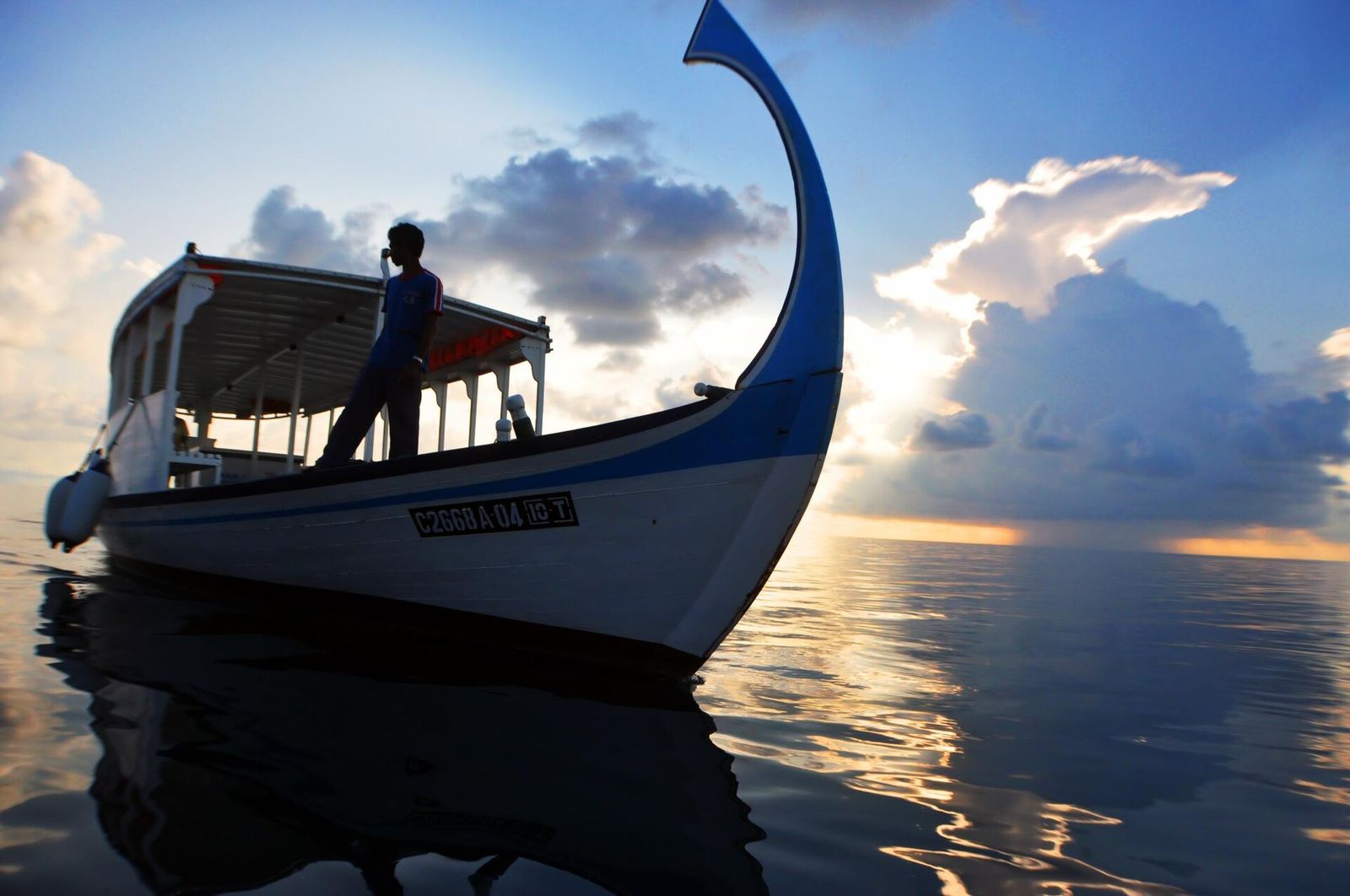
The shared speedboat is what most guesthouse guests actually use. Operators run scheduled boats from the airport jetty to the popular islands every day, including Fridays, and the hop to somewhere like Maafushi takes well under an hour. Your guesthouse will usually book it for you. If your flight lands late in the afternoon or on a Friday, the speedboat is not a luxury, it is the only way to reach your island that night.
One rule worth tattooing somewhere visible: never rely on a public ferry to make an international flight on the same day. Boats run late and get cancelled in rough weather, and the next one may be tomorrow.
The tax nobody puts in the headline price
The Maldives charges a green tax per person, per night, on top of the room rate. According to the Maldives Inland Revenue Authority, since 1 January 2025 guests at guesthouses and hotels on inhabited islands with 50 or fewer rooms pay US$6 a night, while resorts, tourist vessels and larger properties charge US$12. Children under two are exempt. It is not a fortune, but check whether a quoted rate includes it.
Picking an island
The honest answer is that the right island depends on how much village you want with your beach.
Maafushi in South Malé Atoll is the busiest guesthouse island and the easiest first trip. It has the most places to stay, the most excursion operators and the floating bars, and it is close to the airport. It also feels like a small town that discovered tourism quickly, which some people love and others flee after two nights.
Thulusdhoo in North Malé Atoll is the surfers’ pick, a short hop from the airport and known for its break. Fulidhoo in Vaavu Atoll is small and sleepy, the kind of place where the main event of the evening is watching the fishing boats come in. Dhigurah in South Ari Atoll has one of the longest tourist beaches of the guesthouse islands and puts you in an atoll known for whale shark trips, though getting there takes longer.
If you are torn, split the trip. Two nights on a lively island for excursions, then four on a quiet one for doing nothing at all, is a combination that rarely disappoints. The ferry network makes some pairings easy (route 306 links Maafushi and Fulidhoo, for example), and speedboats fill the gaps.
Where the money goes, and where it does not
Rooms on local islands are where you save the most. Food is the next big win: local cafés serve mas huni (shredded tuna with coconut, onion and chilli) with flatbread for breakfast, and fish curry with rice is a fixture at lunch. Eat where the islanders eat and you will spend little and eat well.
Excursions are where budgets quietly unravel. Sandbank trips, snorkelling with rays and nurse sharks, dolphin cruises and resort day passes are priced in US dollars and they add up fast. Pick two or three you really want rather than saying yes to every offer at the guesthouse desk.
Bring some US dollars in small notes as well as a card, because the ferry and the smaller cafés are cash businesses.
Where to stay
The hotel ideas below are all on or near Maafushi, the easiest base for a first guesthouse trip, with one resort option for anyone who wants to finish with a couple of nights of the postcard version. Check each property’s official site for current rates, what is included and whether green tax is in the price. The Visit Maldives tourism board site lists registered guesthouses on other islands if you would rather start somewhere quieter.
The Maldives you see in the resort brochures is real. So is the one with the football pitch, the tuna breakfast and the man at the jetty who knows exactly which boat you need. The second one just costs a lot less to get to.
Where to stay in Maldives: hotel ideas
A short list of well-known places to stay, from budget to luxury, picked for location and style. We have not been paid to include them. Prices and availability change often, so compare rates and read recent reviews before you book.
- Budget
Kaani Village & Spa
Maafushi, South Malé Atoll
A small guesthouse-style hotel of about 20 rooms set around a courtyard pool in a quieter corner of Maafushi, a short walk from the bikini beach.
Official website → - Mid-range
Arena Beach Hotel
Maafushi, South Malé Atoll
A beach hotel on Maafushi with a swimming pool, spa and its own speedboat, plus sea-view and island-view rooms.
Official website → - Mid-range
Kaani Palm Beach
Maafushi, South Malé Atoll
A beachfront hotel in the middle of Maafushi with an infinity pool and a rooftop restaurant.
Official website → - Luxury
Anantara Dhigu Maldives Resort
South Malé Atoll
A full private-island resort in South Malé Atoll, for anyone who wants to finish a guesthouse trip with a few nights of the classic Maldives.
Official website →
Timetables, park fees and entry rules change, sometimes at short notice. Check the official links in this guide before you book anything.