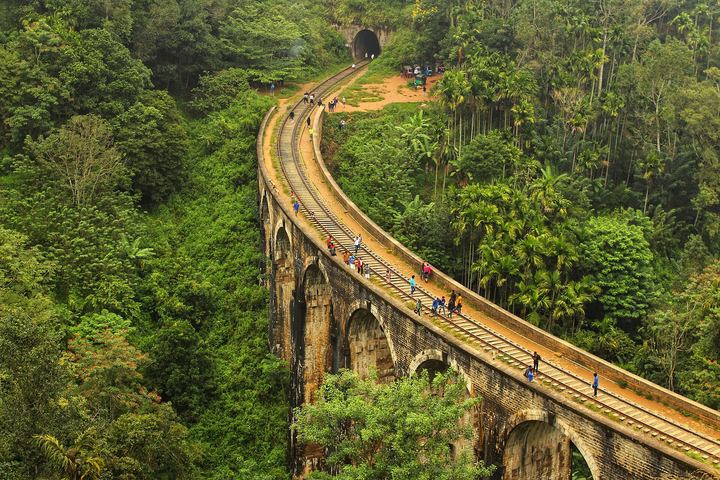
The whale boats leave Mirissa’s fishing harbour at about half past six in the morning, and this month they are going out again. Sri Lanka Tourism gives the south coast’s whale-watching season as November to April, and for years the blue whale was the reason people booked.
What the brochures say less loudly is that the star of the show has gone quiet. In April 2025, Mongabay reported that researchers logged just four blue whale sightings around Sri Lanka in the 2024 season, three of them off Mirissa. A 2015 count recorded 729 observations. That is not a typo, and it changes how you should plan a trip to this coast. Not if you should go. How.
Why the south coast wakes up in November
Sri Lanka has two monsoons and, handily, two good coasts. The north-east winds that arrive late in the year leave the south-west side sunny, and the official tourism site says the sea there is calm from November to March. Tourism Sri Lanka’s practical advice narrows the best window for the west and south coasts to December through March. When the rain swings round in May, the east coast takes over.
November, then, is shoulder season. Seas are settling, the afternoon showers of the inter-monsoon have not entirely given up, and hotels have not yet hit their January stride. If you can live with the odd wet evening, it is a sensible time to arrive. If you want the calmest water for a boat trip, push the dates into the new year.
Readers who have already done the sums for the best month in Mauritius will recognise the pattern: in the Indian Ocean, the calendar does half the planning for you.
The whale question, answered straight
A whale-watching morning out of Mirissa follows a set shape. According to Sri Lanka Tourism, trips leave around 6.30am and last three to four hours, depending on the sea, with whales and dolphins usually found within eight to ten nautical miles of the harbour. The boats are single-hulled and they roll. If you are prone to seasickness, plan for that before you book, not halfway out.
The decline is real. Mongabay’s report quotes researchers who have watched blue whale sightings fall since about 2018, and says even underwater microphones have stopped picking up their calls. Nobody has pinned down a single cause. Warming water in the North Indian Ocean, one of the world’s busiest shipping lanes running straight through the feeding grounds, pollution, and pressure from tour boats all come up. One Mirissa operator interviewed also pointed at illegal swim-with-whale trips and the 2021 X-Press Pearl cargo-ship fire.
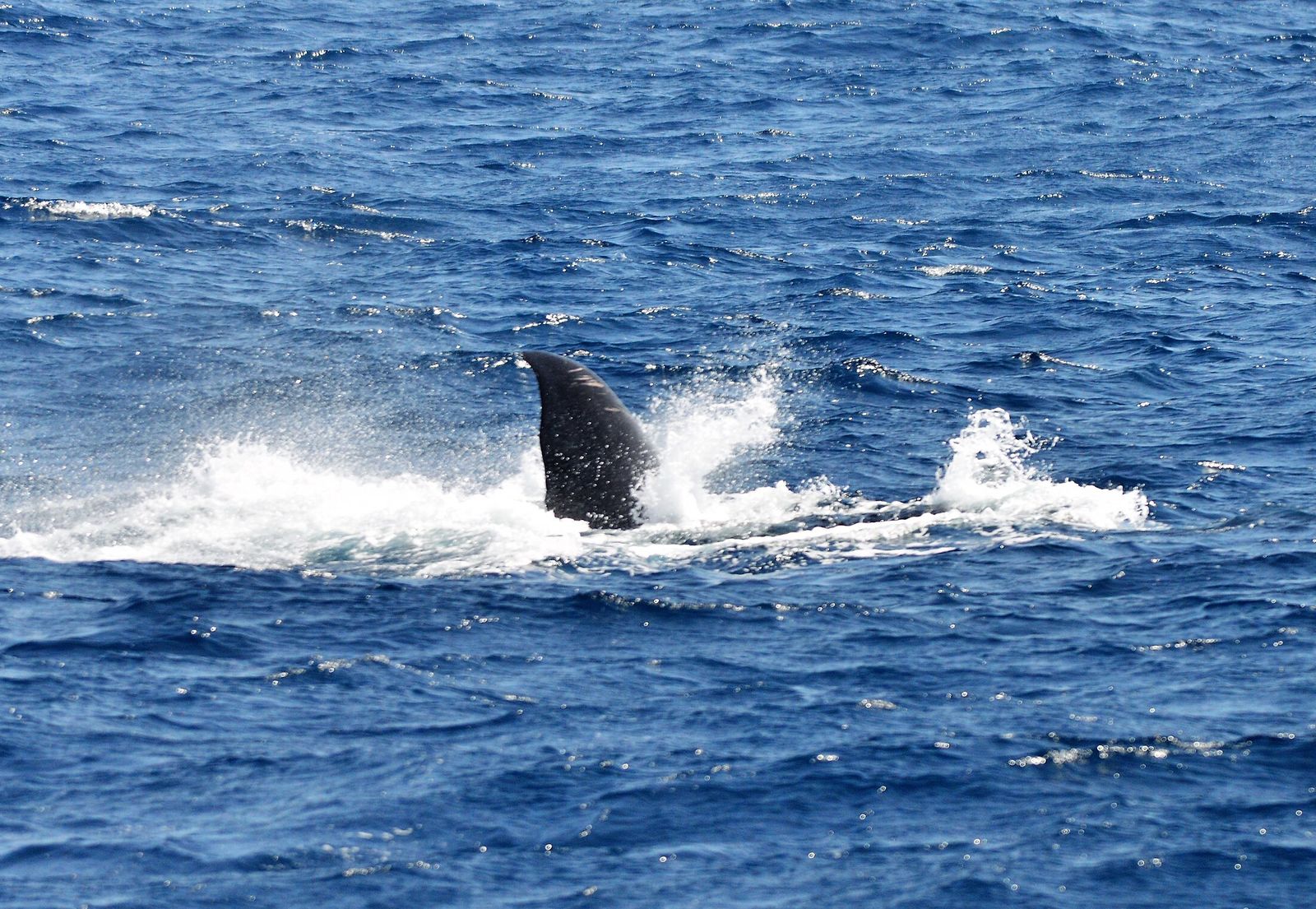
The same report has better news for anyone already holding a ticket. Bryde’s whales and short-finned pilot whales are seen regularly, and spinner, bottlenose and Risso’s dolphins turn up in high numbers. So go expecting a search, a pod of spinners and possibly a whale, rather than a guaranteed blue. That is a decent morning at sea. It is just not the morning the old posters advertise.
How you go matters too. Sri Lanka’s Sea Mammals Regulations of 2012 require boats to cut engines 100 metres from a whale and never get closer, and they rule out swimming with the animals. Any skipper who offers to drop you in the water beside a whale is offering you a crime, and possibly part of the reason the whales are leaving. Pick an operator who talks about the rules before you ask.
Galle Fort: the part of the coast that does not depend on luck
Up the coast in Galle, the whales stop mattering. Galle’s old town sits on a rocky promontory behind stone ramparts, and UNESCO calls it the best example of a fortified city built by Europeans in South and South-East Asia. The Portuguese fortified it first. The Dutch took it in 1640 and built most of what you walk on today, and the site was added to the World Heritage list in 1988.
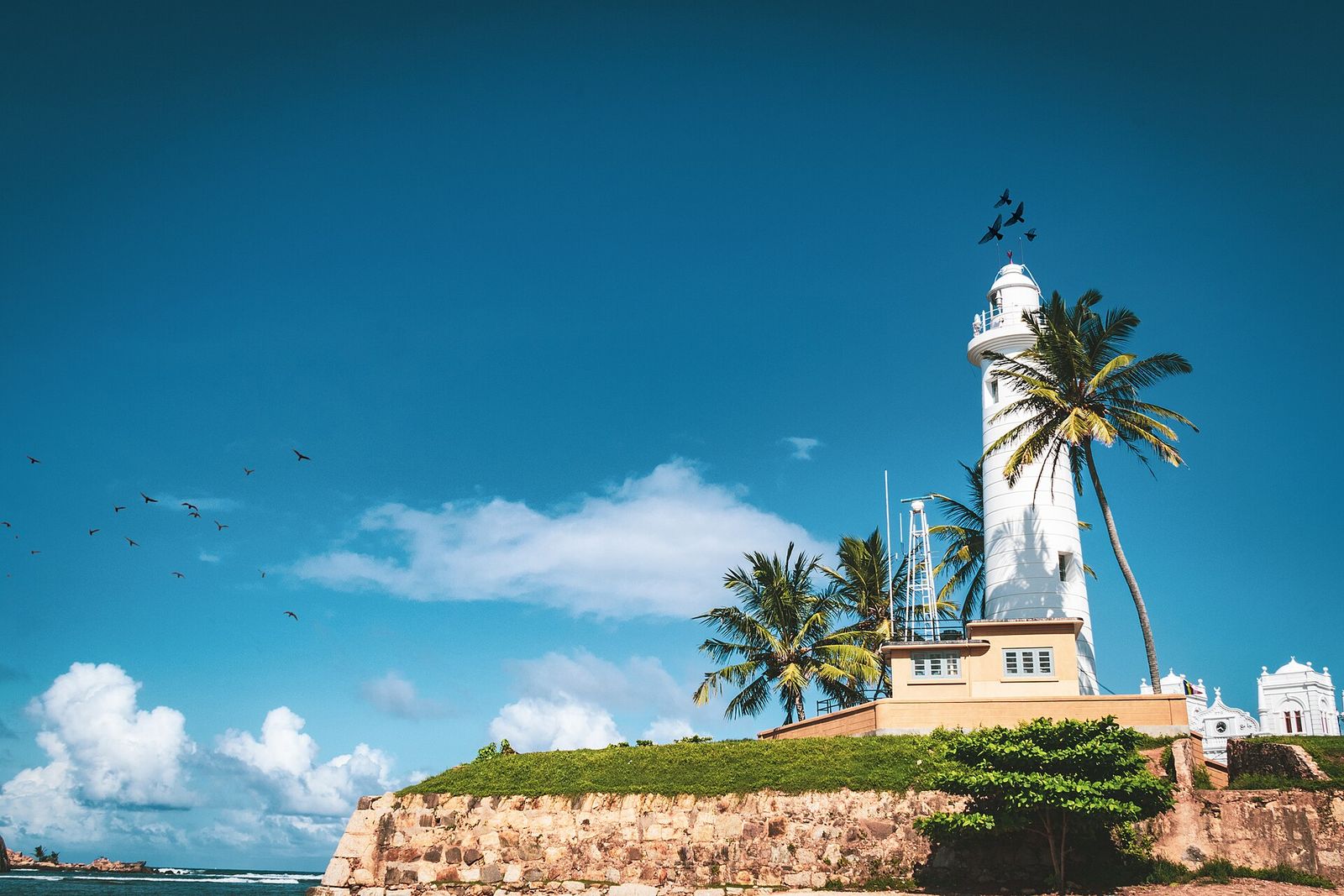
The detail that rewards a slow walk is the grid. Narrow streets, low houses with deep verandas on slim columns, internal courtyards, and an underground drainage system from the 17th century that UNESCO says is still flushed by tidal sea water. The engineers bent their geometry around the rock rather than the other way round, which is why the walls wander.
Do the ramparts late in the afternoon, when the stone cools and half the town seems to be out on it. Then eat inside the walls. One night here is rarely enough, and the fort is at its best once the day-trippers have gone.
East of Galle: stilts, sand and a famous hill
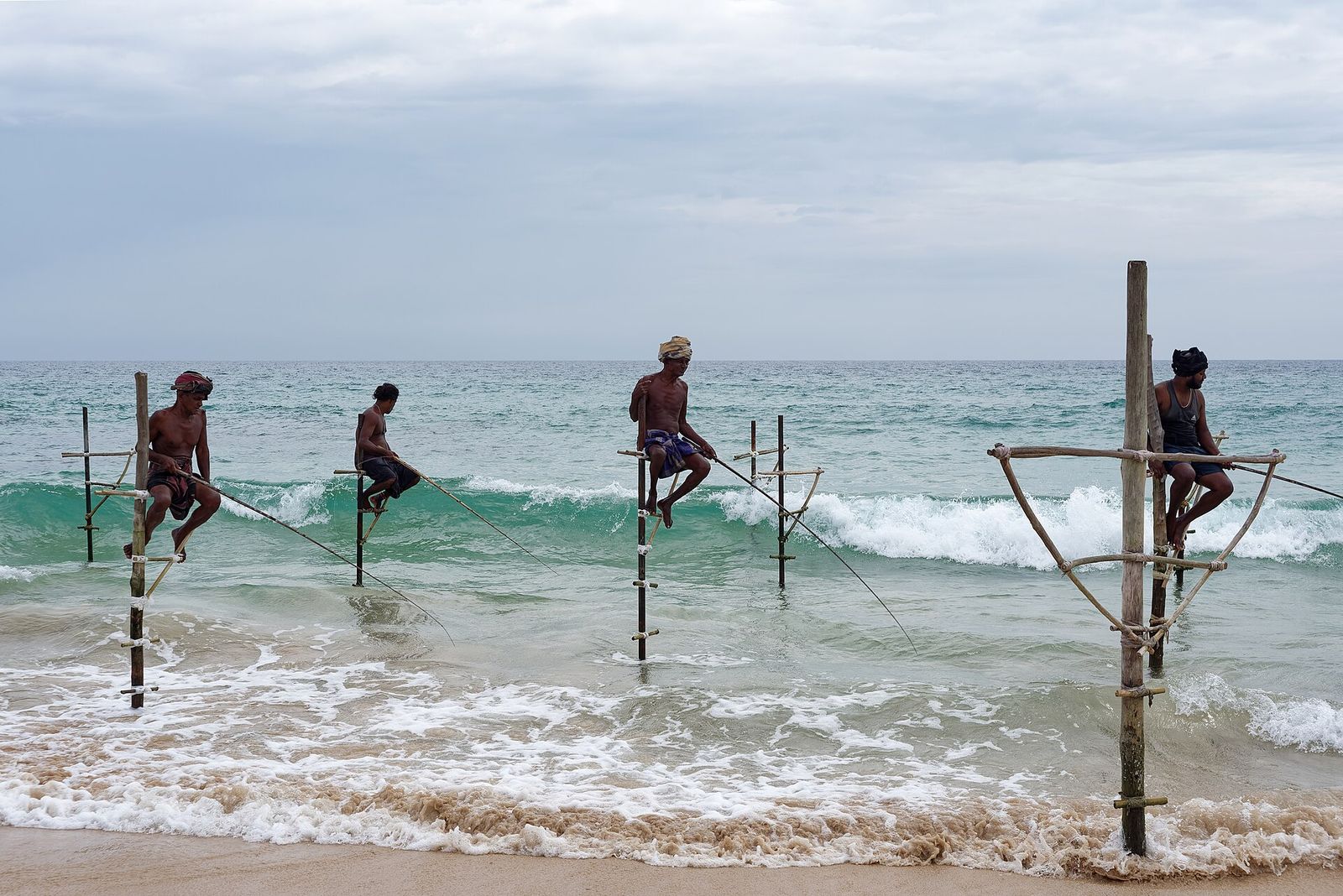
The coast road east is a string of bays, each with its own personality. Unawatuna is the closest beach to the fort, about five kilometres away, and the easiest base if you want old streets by day and sand at the end of it. Further on, around Koggala, you may pass men perched on poles in the surf, the stilt fishing this stretch of coast is known for.
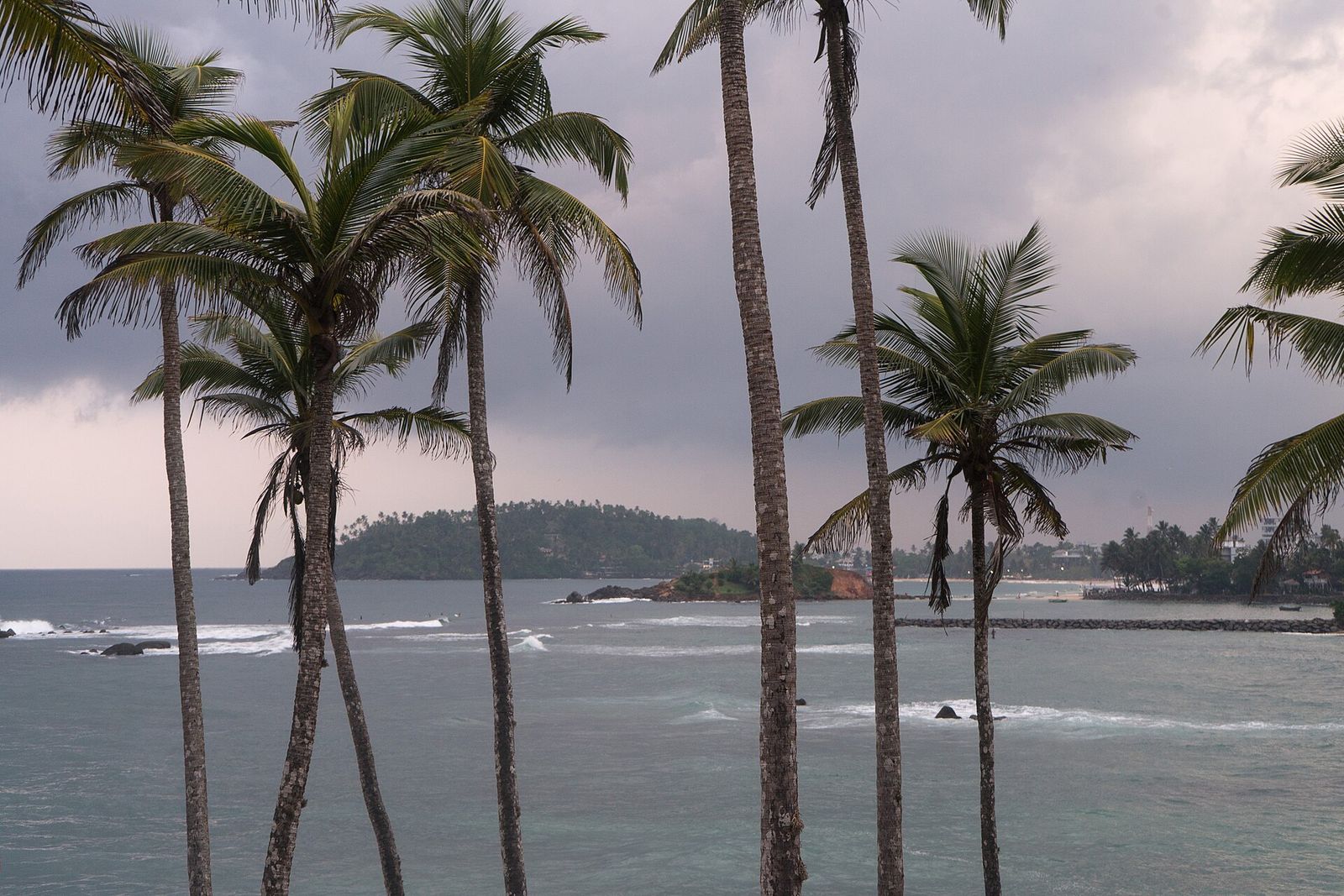
Mirissa sits at the far end of this stretch, a curved beach with the harbour at one end and Coconut Tree Hill, a palm-covered headland, on the other. It is the natural base for an early boat. Weligama, next door, has a wide bay popular with surf schools.
Where to base yourself
Split it. Two or three nights in or near Galle Fort, then two in Mirissa if a whale trip is on your list. Unawatuna works as a cheaper middle ground for the fort. The coastal railway from Colombo runs along the shore to Galle and on towards Matara, and the Southern Expressway is the faster road if you are coming straight from the airport. The hotels below are well known, cover every budget, and were checked on their official websites.
If this coast is the start of a longer Indian Ocean trip, our guide to the Maldives on a local-island budget is a short hop west, and the Seychelles budget guide shows how a pricier island chain can be done for less. For a bigger, rougher overland trip, there is Madagascar’s RN7, which is a very different kind of road.
Where to stay in Sri Lanka: hotel ideas
A short list of well-known places to stay, from budget to luxury, picked for location and style. We have not been paid to include them. Prices and availability change often, so compare rates and read recent reviews before you book.
- Budget
Hotel J Unawatuna
Unawatuna, about 5 km from Galle Fort
A no-frills budget hotel from the Jetwing group in Unawatuna, with double, twin and family rooms, dorm beds and a swimming pool.
Official website → - Mid-range
Mandara Resort Mirissa
Mirissa, south coast
A resort in Mirissa with sea-view and lagoon-view rooms, some with a plunge pool or jacuzzi, handy for early whale-watching departures.
Official website → - Luxury
Galle Fort Hotel
Inside Galle Fort
An 11-suite boutique hotel in one of the old mansions inside the fort walls.
Official website → - Luxury
Jetwing Lighthouse
Dadella, just outside Galle
A five-star hotel designed by Geoffrey Bawa on a rise above the ocean, a short drive from Galle Fort.
Official website → - Luxury
Amangalla
Church Street, Galle Fort
An Aman hotel in a historic residence inside the 17th-century fort walls, with a garden pool and spa.
Official website →
Timetables, park fees and entry rules change, sometimes at short notice. Check the official links in this guide before you book anything.