On a handful of beaches at the south-eastern tip of Mohéli, green turtles haul themselves out of the sea and dig nests in the dark, and they do it all year. The Comoros’ own 2024 report to the IOSEA turtle network puts the number at more than 5,000 females a year, on just five of the island’s 89 beaches, around the village of Itsamia.
Now set that against the visitor book. The Central Bank of the Comoros counted 21,718 international tourist arrivals in 2024 for the whole country. Mauritius logged 89,098 arrivals in June 2026 alone. The turtles are not exactly outnumbering the tourists, but they are giving them a run.
That gap is the reason to go, and also the reason to plan carefully. The Comoros are not difficult so much as unpolished, and November happens to be a good month to find that out for yourself.
Why November, and why not much later
The Union of the Comoros is three islands between northern Madagascar and Mozambique: Grande Comore (Ngazidja), Anjouan (Ndzuani) and Mohéli (Mwali). A fourth, Mayotte, is French and a separate trip entirely.
Canada’s travel advice gives the rainy season as December to April, hot and humid, with downpours that can wash out rural roads and the occasional tropical cyclone. The UK Foreign Office puts the cyclone window at January to May. So November sits on the right side of the line: warm, still mostly dry, and the last month before the weather starts making your decisions for you.
There is one trade-off. Humpback whales spend the southern winter around Mohéli, and Mohéli Laka Lodge, which runs whale trips from the national park, says they arrive in mid-July, stay until the end of October and start heading back to Antarctica in early November. Come now and you are probably waving them off rather than swimming with them. The turtles do not keep a calendar like that, which is the better deal.
If you have been weighing up the Indian Ocean by month, our guide to the best time to visit Mauritius follows the same seasons from the other side of Madagascar.
Mohéli: a whole island as a nature reserve
Mohéli is the smallest of the three and the one most people come for. UNESCO lists the entire island, land and sea, as the Mwali Biosphere Reserve: 66,286 hectares, more than two thirds of it water. The marine park dates from 2001 and was folded into Mohéli National Park in 2015. UNESCO calls it the main egg-laying site for green turtles, an important breeding site for humpbacks and a refuge for dugongs.
Turtle nights at Itsamia are run with village guides. The rules are the obvious ones, and worth repeating because some people still ignore them: no white torches, no flash, stay behind the turtle and keep quiet. The village has worked against poaching for years, and the same 2024 report notes that poaching has not gone away. The money you pay for a guided night is part of the argument for keeping the turtles alive.
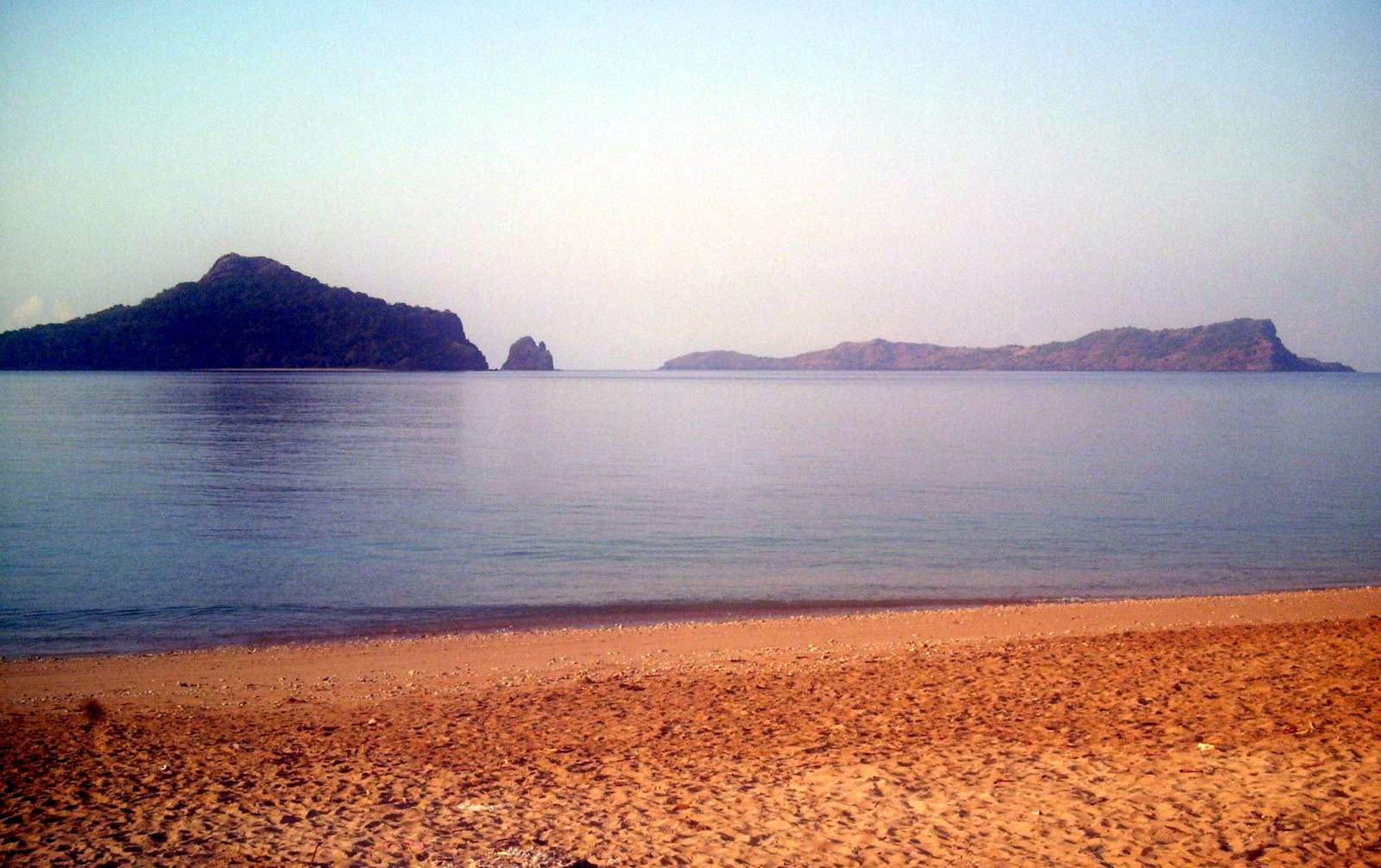
The south coast near Nioumachoua faces a cluster of uninhabited islets, which is where most of the snorkelling and boat trips go. Inland, the forest holds Livingstone’s fruit bat, which lives only on Mohéli and Anjouan and has a wingspan of up to 1.4 metres. You will want binoculars. You may also want to stand still for a moment, because a bat that size circling a ridge is a strange thing to see.
Mohéli has few restaurants and no supermarkets to speak of, which is why lodges there tend to work on a full-board basis. Pack what you cannot live without. A spare mask and snorkel is a good start.
Grande Comore: a city on a harbour, a volcano behind it
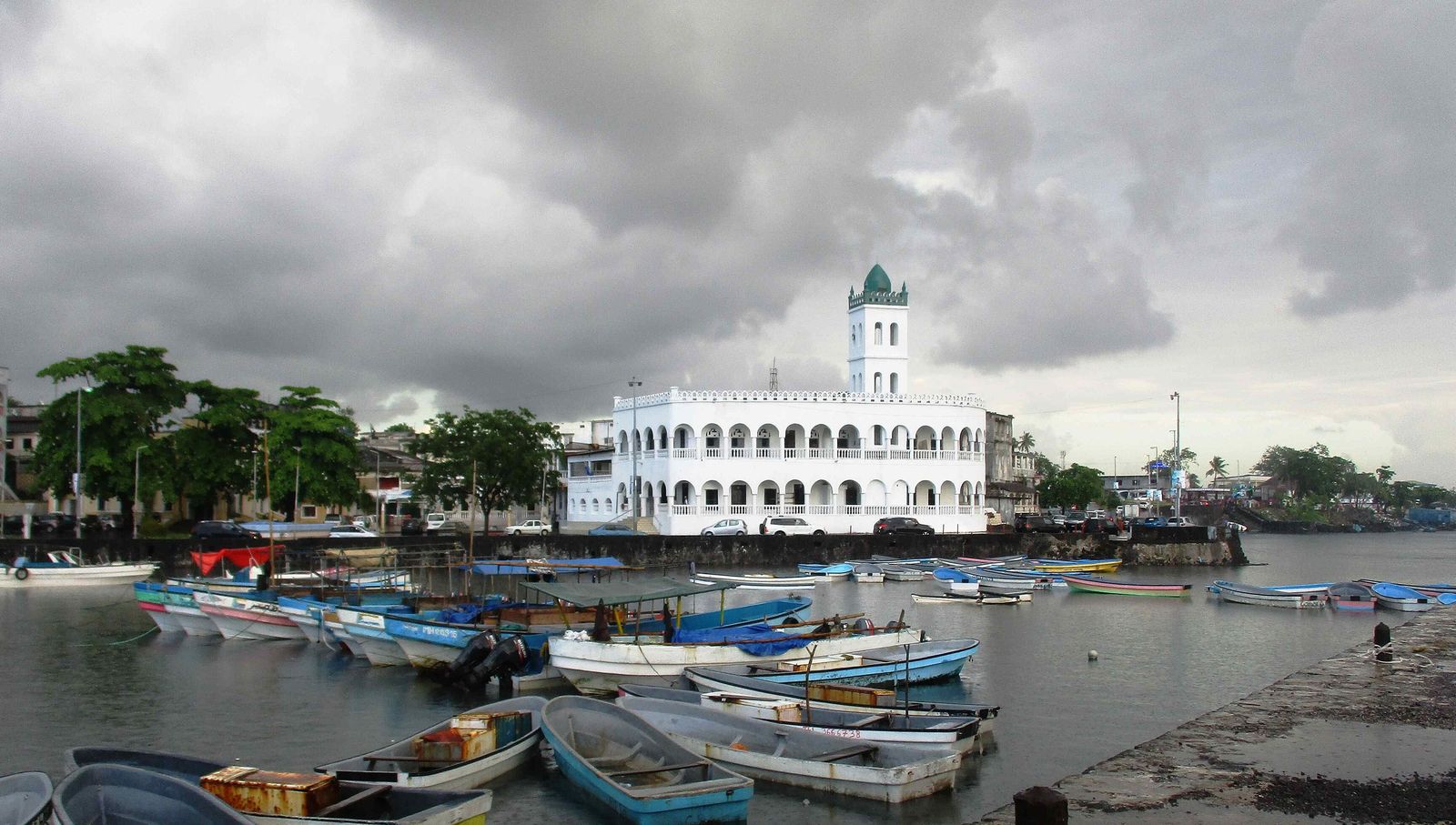
Most international flights land at Moroni, the capital, on Grande Comore. The first thing worth your time is the old harbour, where wooden boats tie up below the white walls of the Old Friday Mosque. The building is traditionally dated to 1427 and its minaret was added in 1921, according to Archnet. Behind it, the medina is a tangle of narrow lanes that rewards a slow, early walk before the heat arrives.
The island’s other landmark is harder to miss. Mount Karthala rises to 2,361 metres and holds a summit caldera roughly 3 by 4 kilometres across, with more than twenty recorded eruptions since the 19th century. The UK Foreign Office says it last erupted in 2007 and asks walkers to check the latest monitoring before they set out.
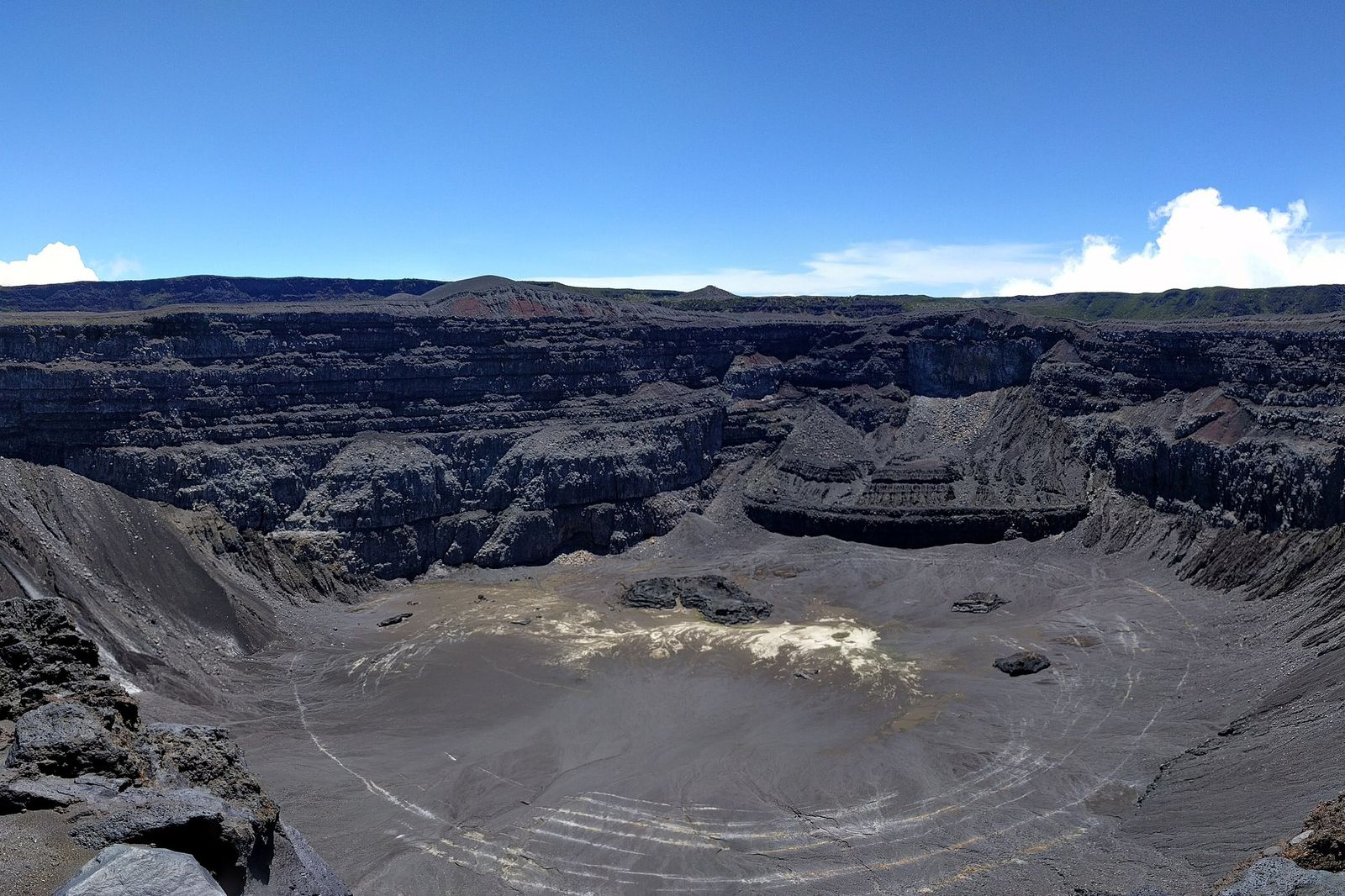
The climb is a long, steep day through forest and then bare rock, and it is not something to improvise. Go with a local guide, start before dawn, and expect cloud to roll over the rim by early afternoon. Late in the year, the clock matters more: once the rains arrive, the trail turns to mud.
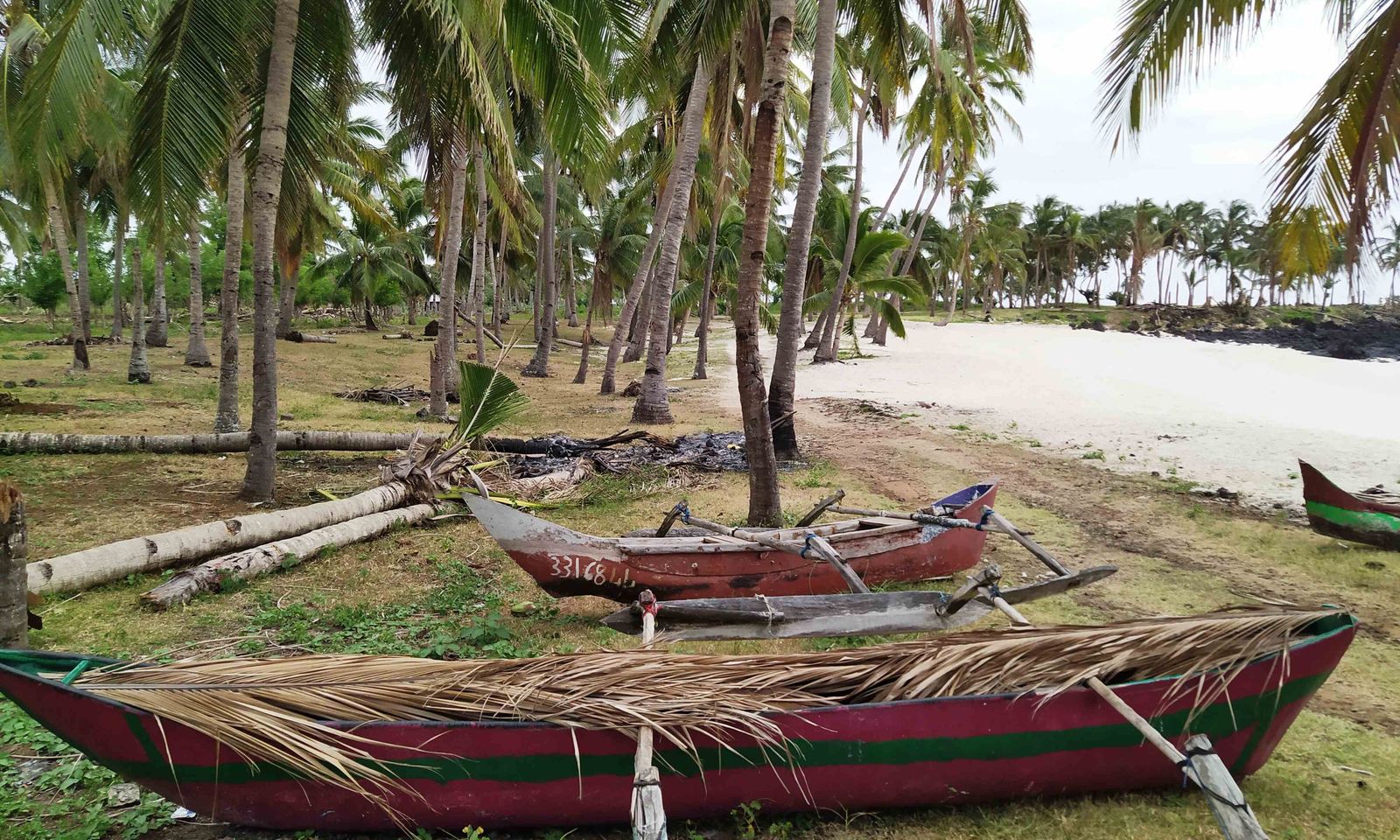
For a softer day, the north coast near Mitsamiouli has pale sand, palms and outrigger canoes pulled up under the trees. Swim with care. Canada’s advice warns that riptides are common, beaches are generally unsupervised and several people drown each year.
Anjouan: the island that smells of perfume
The scent of the Comoros comes mainly from one island. The archipelago is the world’s main source of ylang-ylang oil, the flower essence behind some of the best-known perfumes, and a study published by the University of Réunion estimates it produces 40 to 70 tonnes a year out of roughly 100 tonnes worldwide, with at least 70 per cent of it distilled on Anjouan.
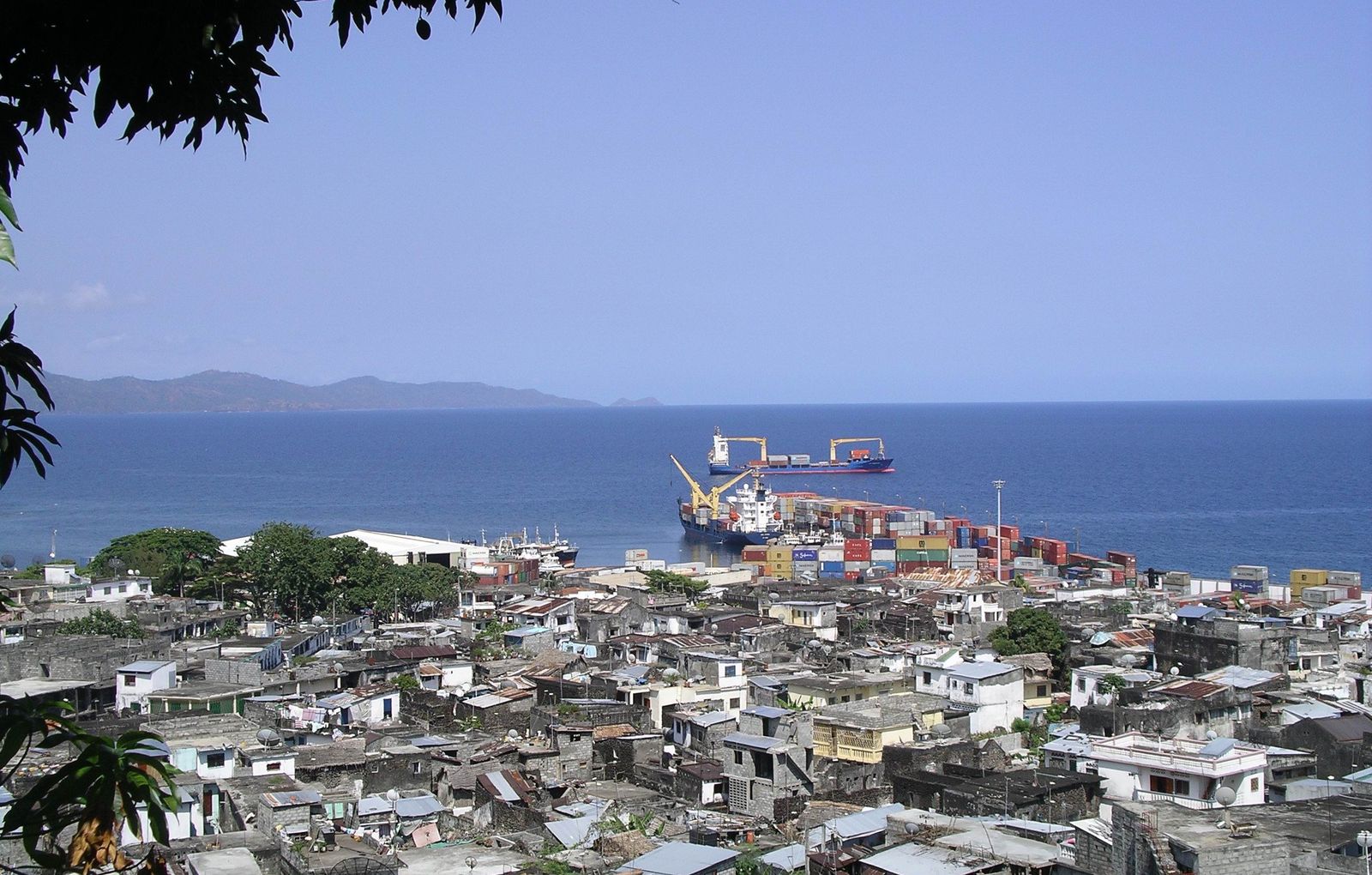
Anjouan is steep, green and crowded, with its port town of Mutsamudu stacked up the hillside above the harbour. The distilleries are small, family affairs, and many still burn wood. Ask your hotel to arrange a visit rather than turning up unannounced. Buy a small bottle of oil while you are there. It is about the most portable souvenir in the Indian Ocean.
The practical part, said plainly
The national tourism office says visitors of all nationalities can get a visa on arrival at the main airports and ports, with a fee of roughly 30 to 50 euros and stays of up to 45 days. You will need a passport valid for six months and an onward ticket. Carry cash: the Foreign Office notes that card payments can be unreliable, and some hotels take euros but give change in Comorian francs.
Moving between the islands is the slow part. There are short domestic flights and passenger boats, but schedules slip, and the Foreign Office warns that some ferries are overloaded and short of life jackets. Build in spare days. Power cuts and water shortages happen too, according to Canada’s advice, so a torch and a refillable bottle earn their place in your bag.
Dress modestly away from the beach. The Comoros are a Sunni Muslim country, and the UK advice is to cover from shoulders to knees. Protests can flare after elections, sometimes blocking the road between Moroni and the airport, so check the latest advice before you book.
Where to base yourself
Split the trip by island. Two or three nights on Grande Comore covers Moroni, the harbour and, if the weather allows, Karthala. Then give Mohéli as long as you can spare, ideally three nights or more, with at least one evening at Itsamia. Anjouan works as a two-night add-on for the ylang-ylang and the views.
The hotels below were checked on their official websites. If you like your islands rough at the edges, the Rodrigues guide is a gentler cousin, and anyone who has done Madagascar’s RN7 already knows how much a spare day is worth on this side of the ocean.
Where to stay in Comoros: hotel ideas
A short list of well-known places to stay, from budget to luxury, picked for location and style. We have not been paid to include them. Prices and availability change often, so compare rates and read recent reviews before you book.
- Budget
Océanis Hotel
Mutsamudu, Anjouan
A small family-run hotel by the sea in Mutsamudu, a little away from the centre, with ocean-view balconies on its rooms.
Official website → - Mid-range
Mohéli Laka Lodge
Nioumachoua, Mohéli National Park
A solar-powered beach lodge of 17 rooms inside the national park, run on a full-board basis, with boat, snorkelling, diving and turtle-night excursions.
Official website → - Mid-range
Retaj Moroni
Moroni, Grande Comore
A 55-room seafront hotel in the capital with a pool, restaurant and meeting rooms, close to the city centre.
Official website → - Upscale
Itsandra Beach Hotel & Resort
Itsandra, just north of Moroni
A four-star hotel on its own beach outside Moroni, with an outdoor pool, three restaurants and bars, and a gym and massage service.
Official website →
Timetables, park fees and entry rules change, sometimes at short notice. Check the official links in this guide before you book anything.