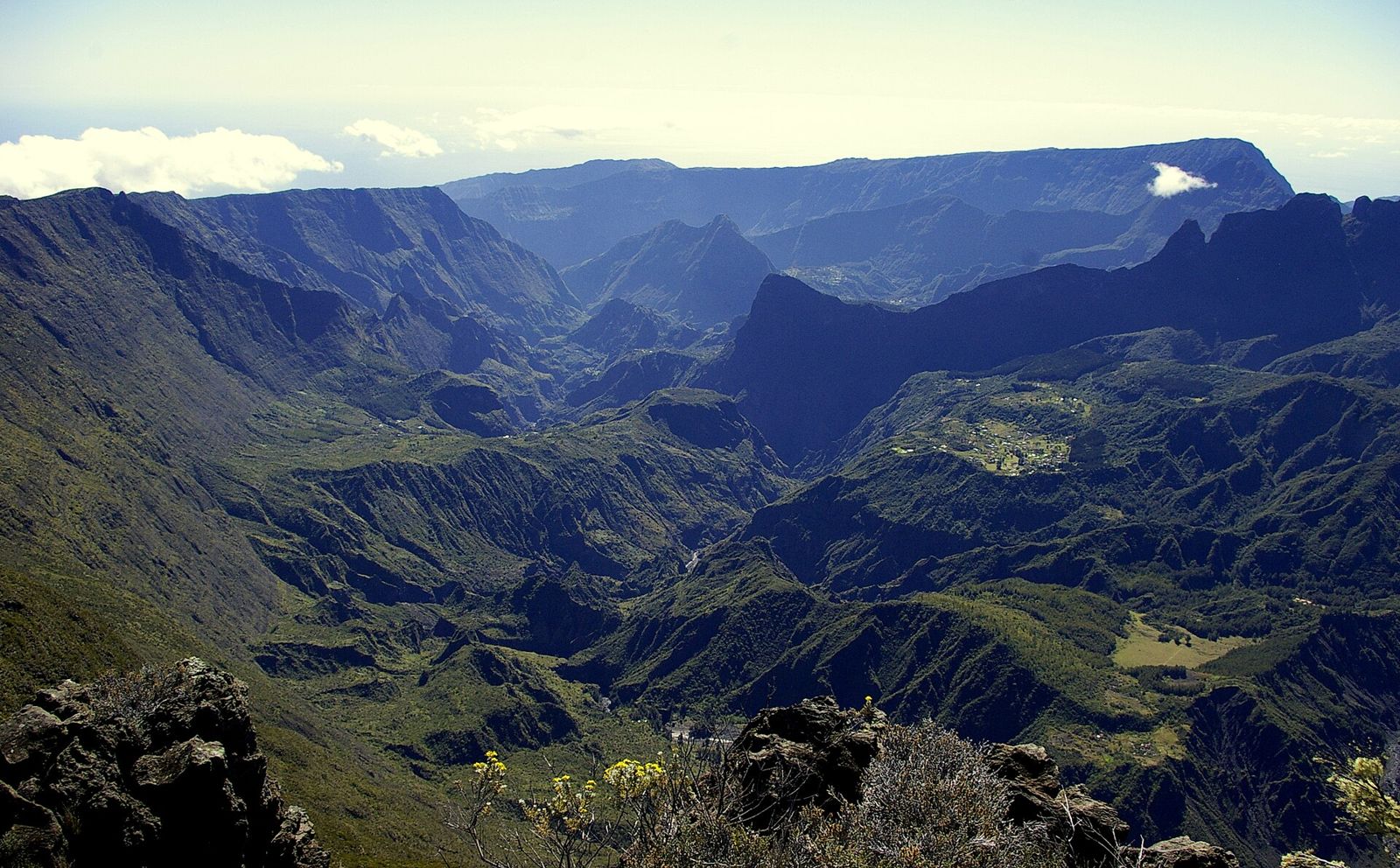
Réunion is the Indian Ocean island for people who get restless on a sun lounger. It is a French overseas department, so it runs on the euro, French road signs and very good bread, but its landscape is unlike anywhere in mainland France: an active volcano, a dormant one more than 3,000 metres high, and three enormous collapsed calderas, the cirques, carved into deep, green amphitheatres. Much of the interior is a national park, and the “Pitons, cirques and remparts” are a UNESCO World Heritage Site.
This seven-day itinerary is built for reasonably fit travellers who want to see the highlights without spending the whole week in a car. It assumes a hire car and moves bases a few times, because Réunion’s mountain roads make long day trips tiring.
Before you start: four ground rules
- Start early, every day. Clouds usually build over the mountains by late morning. The views are at dawn.
- Check trail and volcano status. Paths close after heavy rain, landslides or volcanic activity. The Réunion National Park and the volcano observatory (OVPF) publish updates, and hiking site Randopitons is a popular reference for routes and closures.
- Book mountain gîtes ahead. Huts and guesthouses in the cirques, and especially in Mafate, have limited beds and fill up in busy periods.
- Swim only where it is allowed. Because of the risk of shark attacks, swimming and surfing are restricted along much of the coast. Stick to the protected lagoon areas and supervised zones, and follow local signs and lifeguards.
Day 1: Arrive and settle in on the west coast
Most international flights land at Roland Garros airport near Saint-Denis in the north. Pick up your car and drive down the west coast to Saint-Gilles-les-Bains, L’Hermitage or Saint-Leu. It is the island’s sunniest side and the easiest place to recover from a long flight.
Spend the afternoon in the L’Hermitage lagoon, a calm, shallow reef-protected area that is good for an easy first snorkel. Eat at a beach shack in the evening, and if you are hungry, try a carri: Réunion’s version of curry, served with rice, beans and a fiery rougail relish.
Day 2: Into the Cirque de Cilaos
Drive south and then up into Cilaos, along one of the most famous mountain roads in the Indian Ocean. It is a spectacular, twisting climb with tunnels and single-lane sections, so take it slowly, use your horn on blind bends where signs ask you to, and stop at the viewpoints.
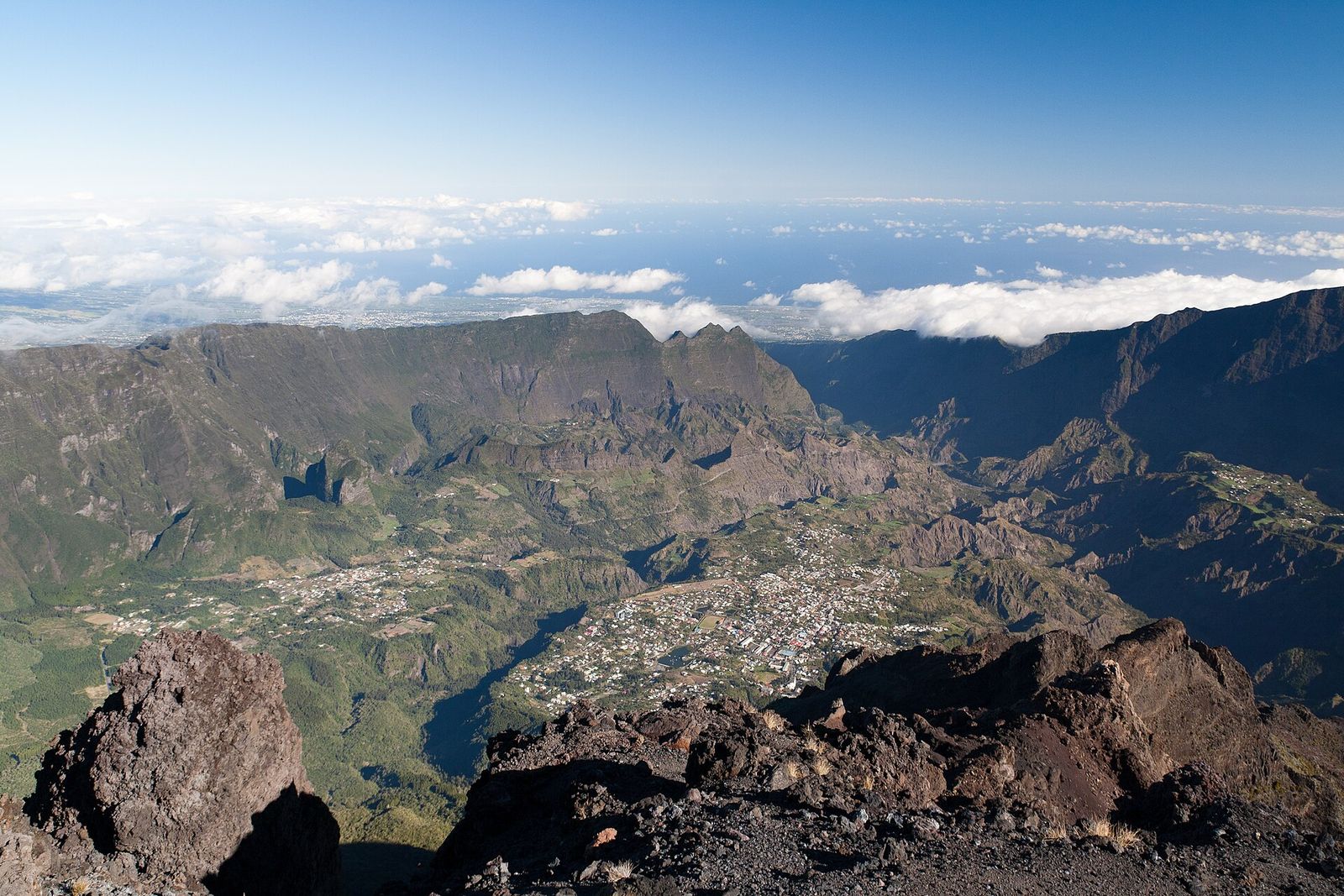
Cilaos village sits in a natural bowl ringed by peaks. Take an afternoon walk, such as the trail to the Cascade du Bras Rouge or around the village viewpoints, and stock up on supplies. Cilaos is known for its lentils, its embroidery and its local wine, so dinner is a good chance to try all three.
Day 3: Piton des Neiges (or a gentler day)
The big one. Piton des Neiges, the island’s highest summit, is usually climbed from Cilaos over two days: a steep ascent to the Caverne Dufour refuge in the afternoon, a pre-dawn start for the summit at sunrise, then the descent. Views over all three cirques and the coast as the sun comes up are one of the great experiences of the Indian Ocean.
It is a demanding hike with a big height gain. You need good boots, warm layers (it can be near freezing at the top), a head torch and a refuge booking. If that sounds like too much, spend the day on lower Cilaos trails instead, or soak in the village’s thermal baths.
Day 4: Descend and cross to Salazie
Come down from the summit or the refuge, recover with a long lunch, and drive around to the Cirque de Salazie on the island’s wetter, greener east side. The drive is long, so this is a travel day. Salazie is all waterfalls: you will pass the Voile de la Mariée (“bride’s veil”) falls on the way up.
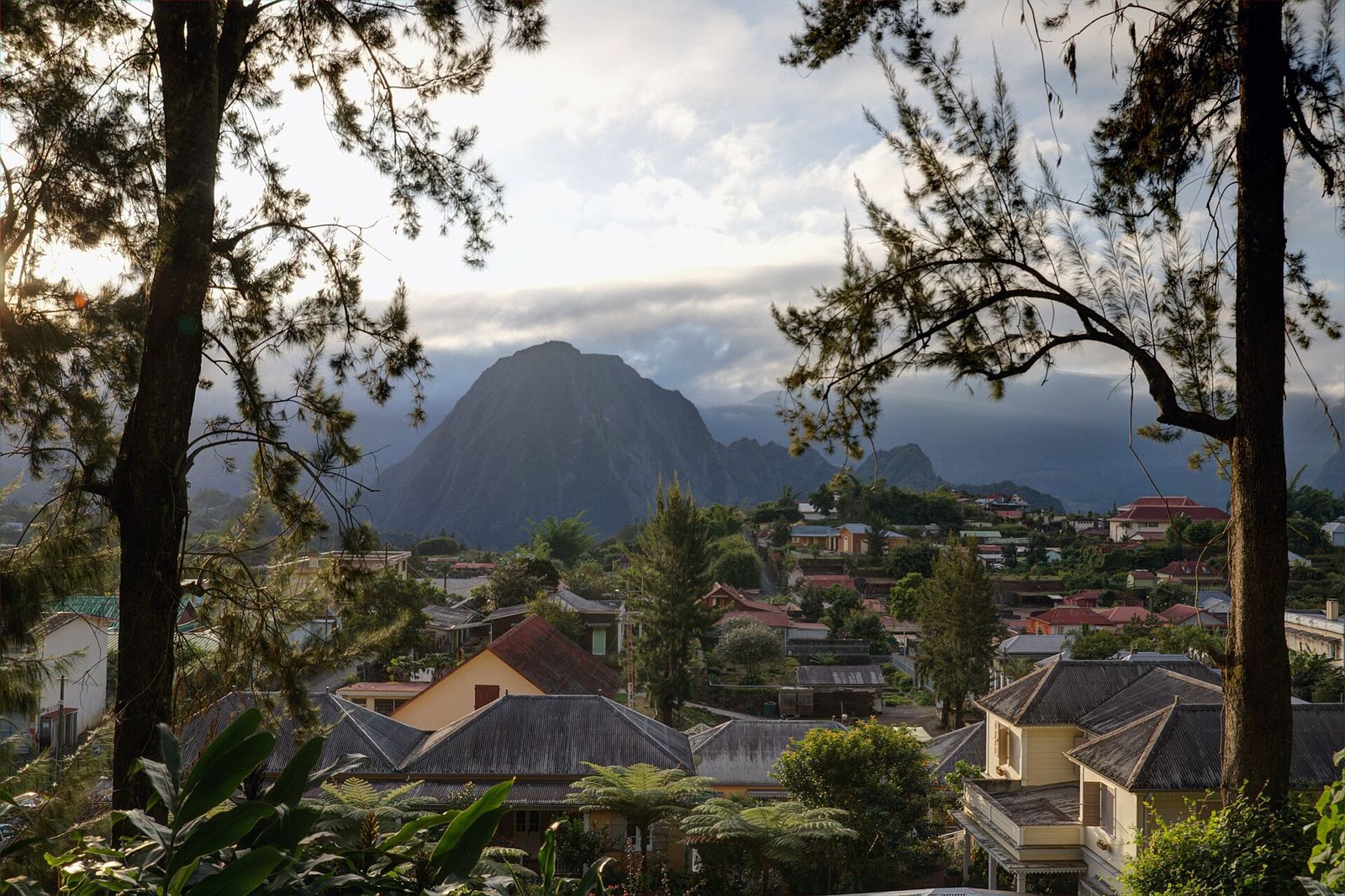
Base yourself in Hell-Bourg, a pretty village of colourful Creole houses with gardens and lacy wooden trims, often listed among France’s most beautiful villages. Wander the streets in the evening light.
Day 5: Into Mafate on foot
Mafate is the wildest of the three cirques: there are no roads in, so the scattered hamlets are reached on foot or by helicopter, and supplies come in by air. Spending a night here is the highlight of many people’s trip.
There are several ways in. A popular one is to drive to the Col des Bœufs car park above Salazie and walk down to La Nouvelle, one of Mafate’s larger hamlets. Other routes enter from the west coast side or via the Rivière des Galets. Choose one that matches your fitness, book a gîte in advance (dinner is usually included, and very welcome), and carry cash and water. Leave anything valuable at home and pack light.
If a night in Mafate does not fit, the viewpoints at Le Maïdo, reached by road from the west coast, look straight down into the cirque, and the view is clearest at sunrise, before the cloud comes up.
Day 6: Walk out, then the volcano
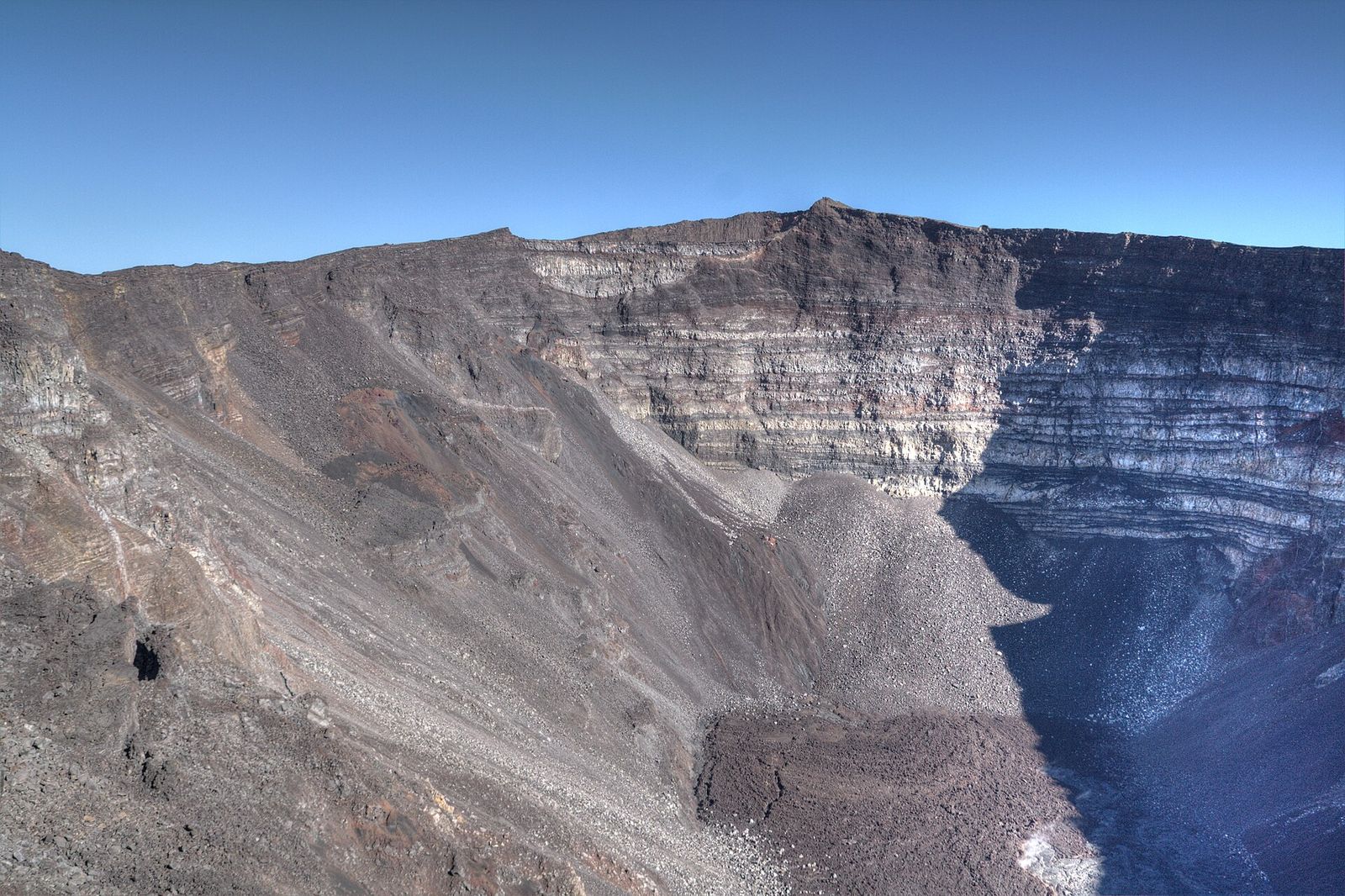
Walk out of Mafate in the morning and drive south towards the Piton de la Fournaise. This is one of the most active volcanoes in the world, and the landscape around it, the Plaine des Sables, looks more like Mars than a tropical island.
Stay the night near Bourg-Murat or in the Plaine des Cafres so you are close for an early start. Visit the Cité du Volcan museum if you arrive in time, which explains what you will see the next morning.
Day 7: Sunrise at the crater, then down to the coast
Drive up to the Pas de Bellecombe viewpoint at first light. From here, when the trail is open, a well-marked path crosses the caldera floor to the rim of the Dolomieu crater. It is a long half-day on rough lava, with no shade and changeable weather. If the volcano is erupting, access is controlled, and you may be able to watch from authorised viewpoints instead. Always follow the official instructions.
In the afternoon, drive back down towards the south-west coast, perhaps via Saint-Pierre, which has a lively seafront, a lagoon beach and a good market on Saturday mornings. Spend your last evening with your feet in the sand before your flight.
Variations
- Less hiking: skip Piton des Neiges and the Mafate night. Use the extra days for the south coast’s “wild south” (Sud sauvage), with lava flows reaching the sea at the Grand Brûlé, and for more lagoon time.
- More time: add two nights in Mafate to walk between hamlets, a paragliding flight from Saint-Leu, or a canyoning day in Cilaos or Salazie with a qualified guide.
- With children: base yourself on the west coast and do day trips: Le Maïdo at sunrise, the volcano viewpoints, Hell-Bourg, and short waterfall walks.
When to go
Réunion’s cooler, drier season, from roughly May to November, is the classic hiking season, with clearer mornings and less risk of trail closures. September to November is especially popular, and also busy, so book gîtes early. The hot, wet summer from December to March brings heavy rain on the east side and the cyclone season, when trails and roads can close at short notice.
Practical notes
- Driving: on the right, French rules. Mountain roads are narrow and slow; plan for far longer journey times than the distances suggest.
- Language: French and Réunion Creole. Some English is spoken in tourist areas, but a few French phrases help a lot, especially in the mountains.
- Money: the euro. Cards work widely on the coast; bring cash for the cirques.
- Entry: Réunion is part of the EU but has its own entry rules for some nationalities, which are not always the same as for mainland France. Check before you book.
- Official tourism information: Île de La Réunion Tourisme.
Réunion asks a little more of you than a classic beach island. Give it the early starts and the uphill hours, and it gives you back some of the most extraordinary landscapes in the whole Indian Ocean.
Where to stay in Réunion: hotel ideas
A short list of well-known places to stay, from budget to luxury, picked for location and style. We have not been paid to include them. Prices and availability change often, so compare rates and read recent reviews before you book.
- Budget
Gîte du Volcan
Near Piton de la Fournaise
A mountain lodge near the volcano, with rooms and dormitory beds, ideal for a sunrise start at the crater. Book well ahead.
Official website → - Mid-range
Le Vieux Cep
Cilaos
A hotel in the village of Cilaos with its own restaurant and spa, a comfortable base for the cirque's trails.
Official website → - Mid-range
Hôtel Le Juliette Dodu
Saint-Denis
A three-star hotel in central Saint-Denis, convenient for an arrival or departure night.
Official website → - Luxury
LUX* Saint Gilles
Saint-Gilles-les-Bains, west coast
A five-star resort at Saint-Gilles-les-Bains on the west coast.
Official website →
Timetables, park fees and entry rules change, sometimes at short notice. Check the official links in this guide before you book anything.