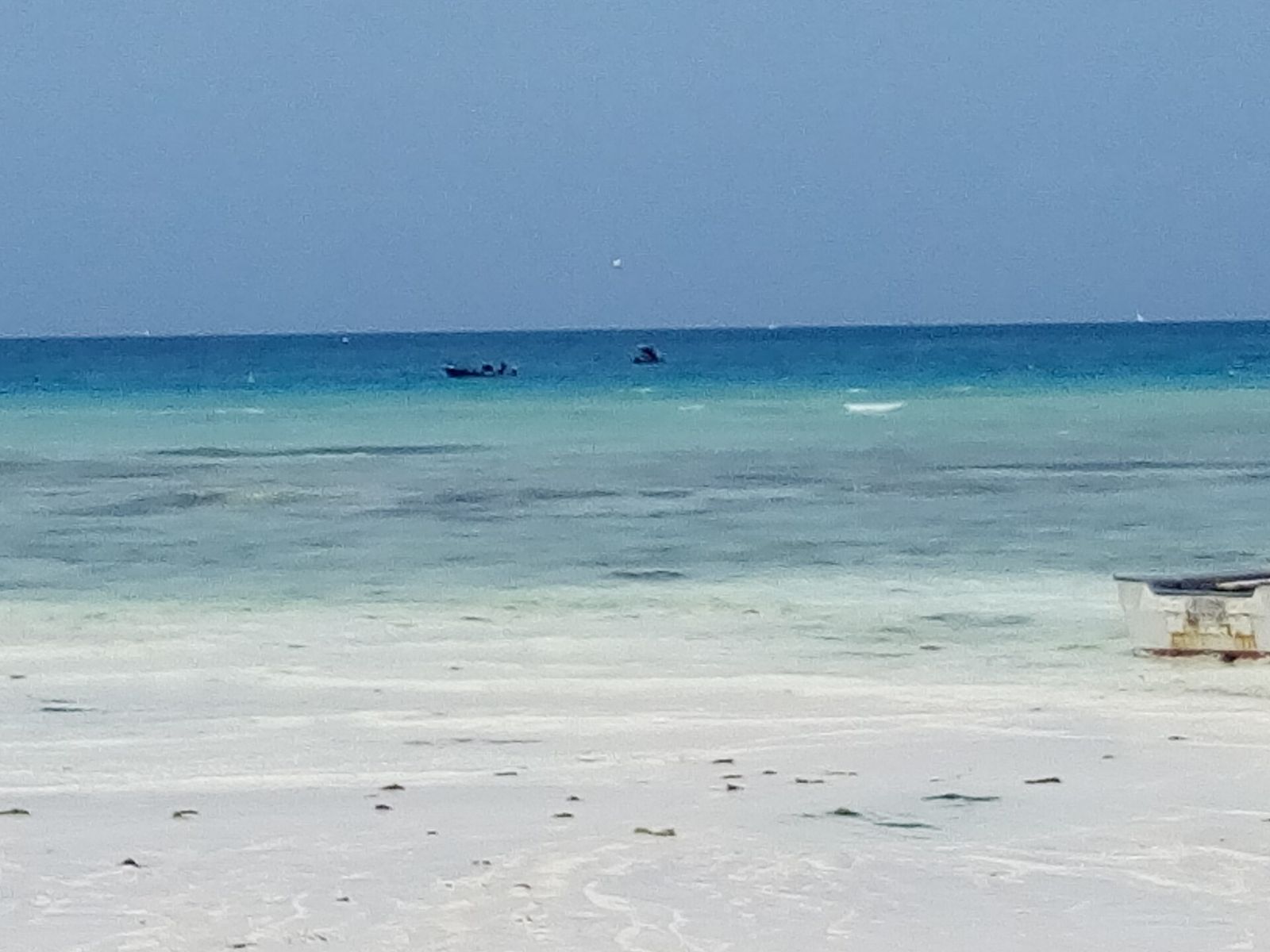
Zanzibar’s beaches look the same in every photo: white sand, a sea in impossible shades of turquoise, a wooden dhow with a triangular sail. In real life, they are surprisingly different from each other. Some are lively, some are empty. Some are perfect for swimming all day; on others, the sea retreats so far at low tide that you can walk out across the sand for what feels like miles.
Picking the right beach for you is the most important decision you will make on a Zanzibar trip. Here is how the main coasts compare.
First, understand the tides
This is the thing most first-time visitors do not know. Zanzibar has a large tidal range, and it affects the coasts very differently.
- On the east coast (Paje, Jambiani, Bwejuu, Matemwe), the reef sits well offshore and the lagoon is shallow. At low tide the water drains away almost to the reef, leaving sandbanks, rock pools and seaweed farms. At high tide it comes back, warm and shallow. Swimming is best around high tide; low tide is for walking and exploring.
- On the north-west coast (Kendwa and, to a lesser extent, Nungwi), the beach shelves more steeply, so there is deeper water close to shore at most states of the tide. This is the main reason people choose the north for swimming.
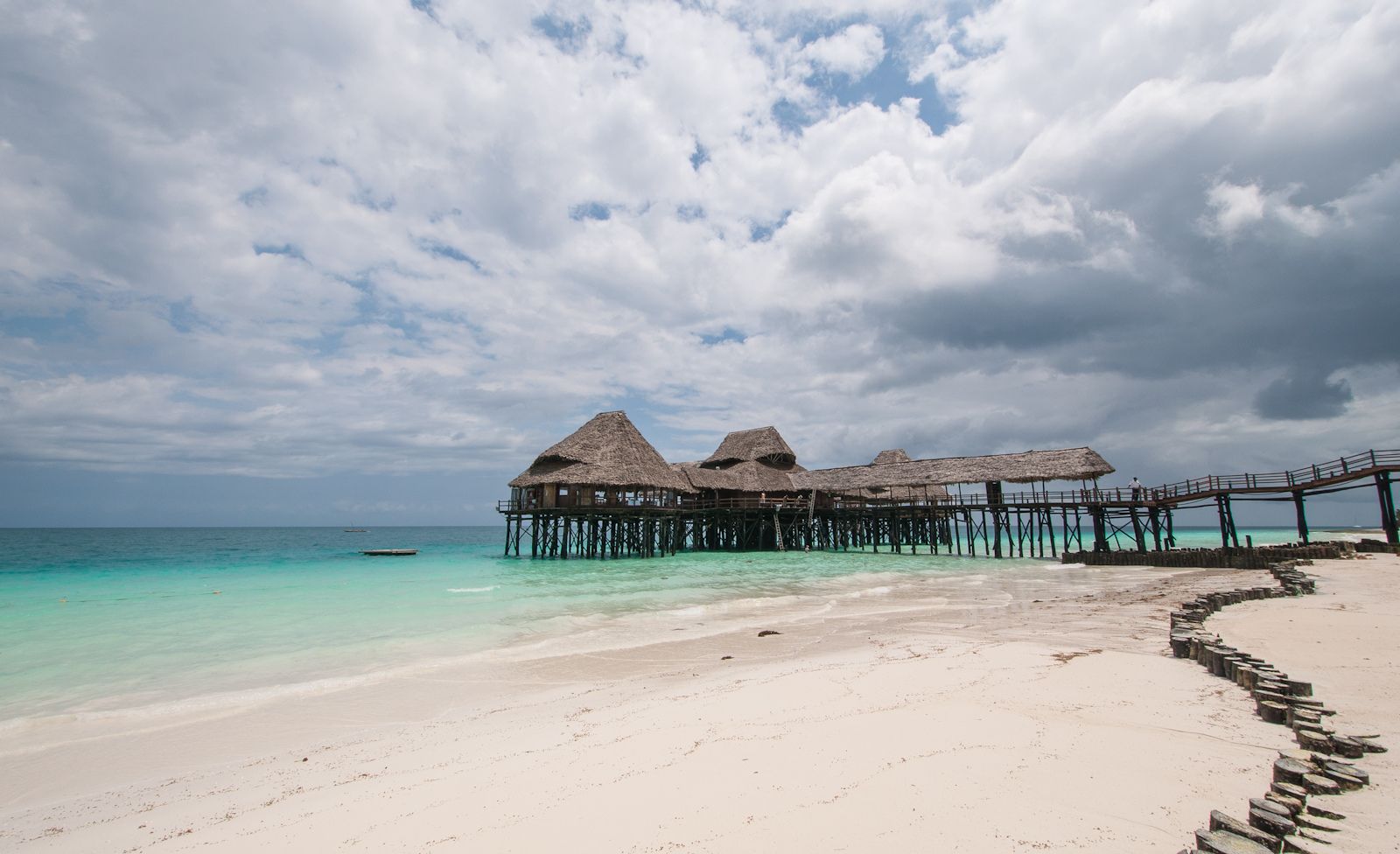
Before you book, look at a tide table for your dates. Days around the full and new moon have the biggest swings.
The north: Nungwi and Kendwa
Nungwi
At the northern tip of the island, Nungwi is Zanzibar’s busiest beach village. There is a long strip of hotels, bars and restaurants, a traditional dhow-building yard, and a lively scene at sunset. Boat trips for snorkelling and dolphin-watching leave from here, and the turtle sanctuary in the village is a popular stop.
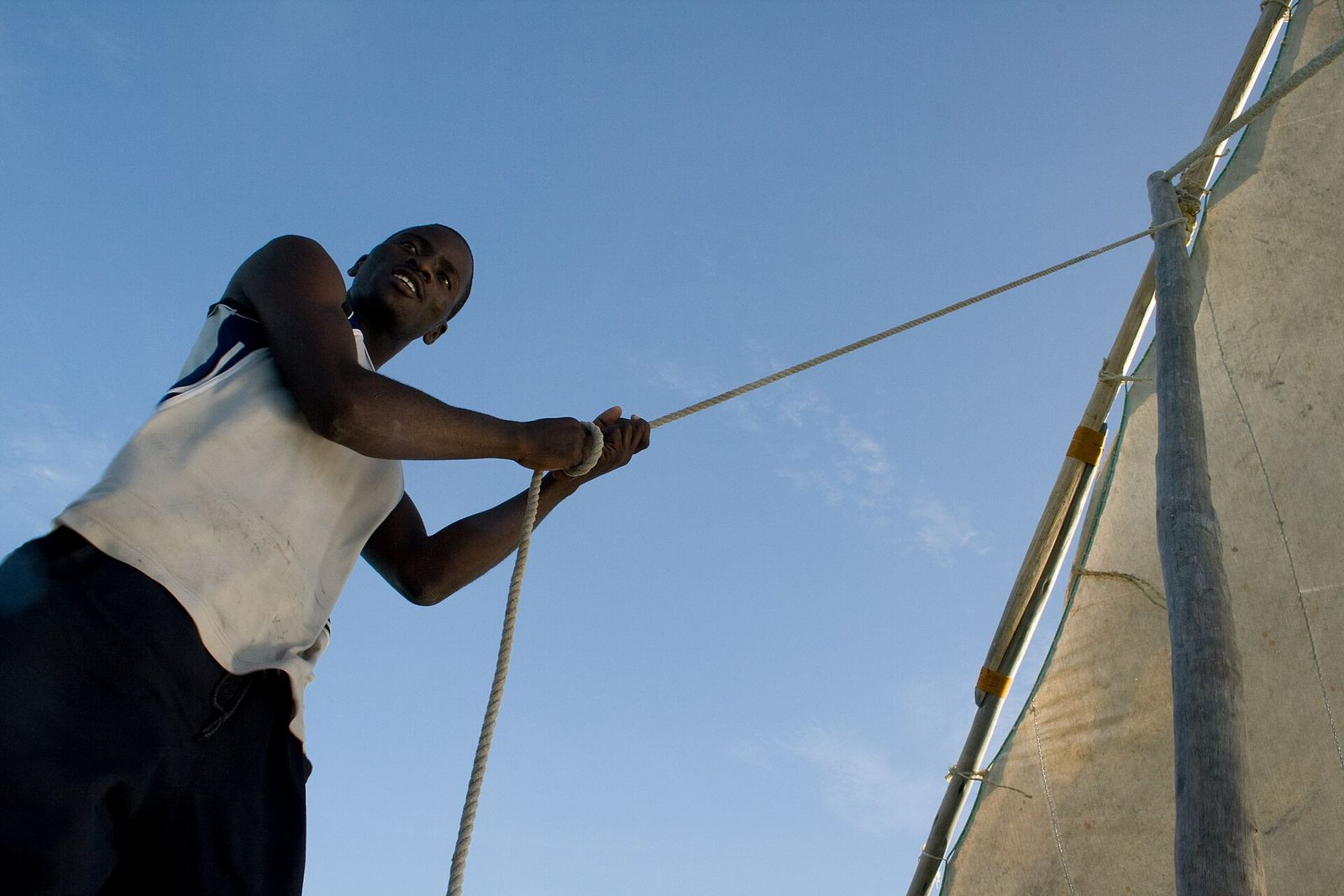
Choose Nungwi if you want restaurants on your doorstep, a bit of nightlife and easy swimming for much of the day. Skip it if you want peace and quiet, or if beach vendors bother you.
Kendwa
A short walk or drive south of Nungwi, Kendwa is calmer, with a wide stretch of soft sand and generally good swimming at any tide. It is famous for sunsets over the water and for its full-moon beach parties, so check the calendar if you want, or want to avoid, a party night.
Choose Kendwa if swimming is your priority and you like a relaxed atmosphere with a few beach bars.
The north-east: Matemwe and Pwani Mchangani
Matemwe faces the Mnemba Atoll, a protected marine area that is one of Zanzibar’s best snorkelling and diving spots. The beach is long and quiet, with fishing villages, a handful of lodges and very few crowds. Tides are significant here, as on the rest of the east coast.
Choose Matemwe if you want to snorkel or dive Mnemba, and you enjoy quiet beaches and village life. Keep in mind that it is far from restaurants, so you will mostly eat at your hotel.
The east coast: Paje, Jambiani and Bwejuu
Paje
Paje is the east coast’s busiest village and the island’s kitesurfing capital. The wide, shallow lagoon and steady winds through much of the year make it ideal for learning, and dozens of kites colour the sky on windy days. There is a young, sociable atmosphere, with beach bars, yoga classes and plenty of guesthouses.
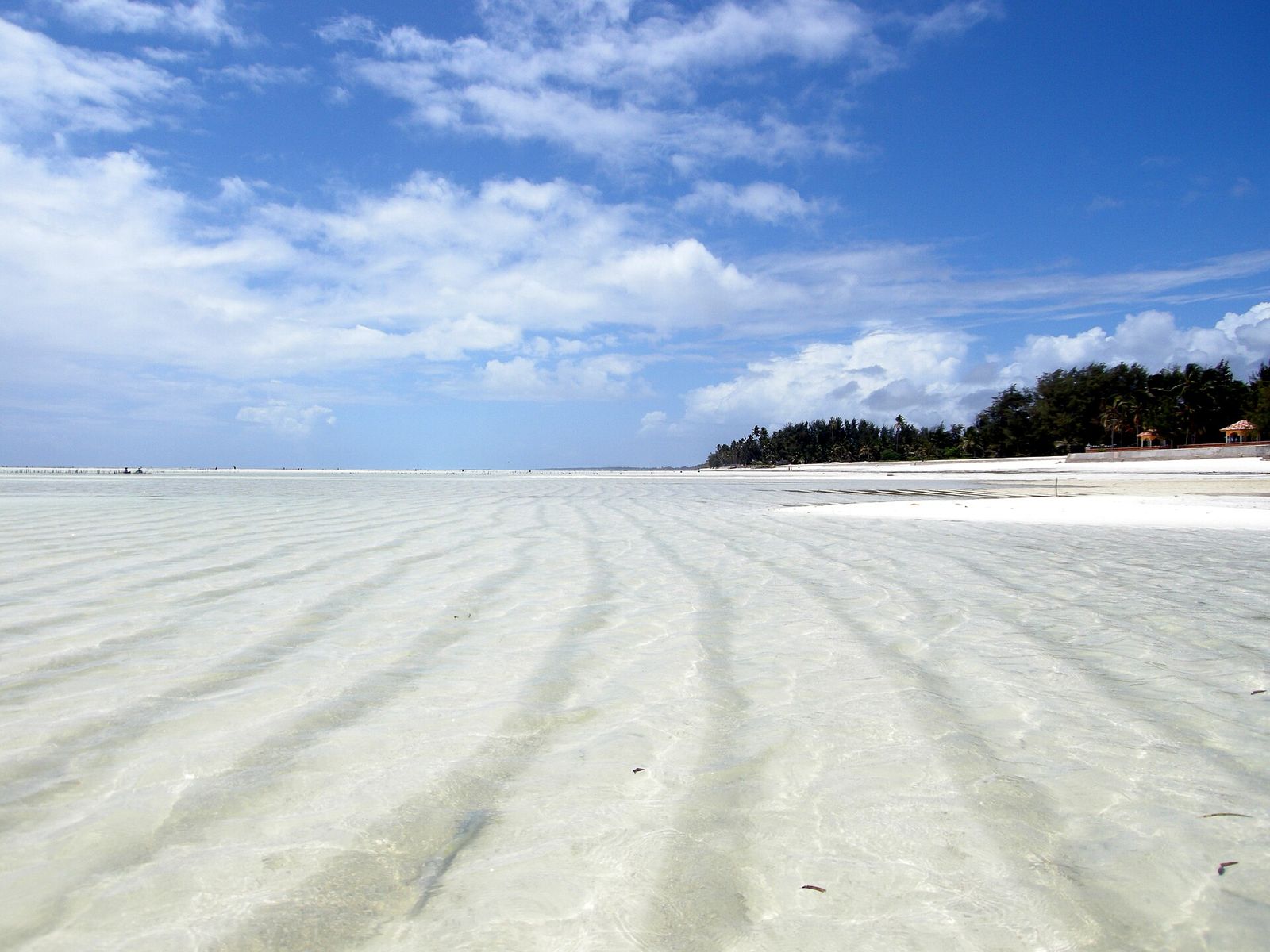
Choose Paje if you want to kitesurf, meet other travellers, and do not mind the tide going out.
Jambiani
Just south of Paje, Jambiani is a long, spread-out fishing village where everyday life happens on the beach: women tending seaweed farms in the lagoon at low tide, fishermen pulling up their boats, children playing football on the sand. Accommodation ranges from simple guesthouses to boutique hotels.
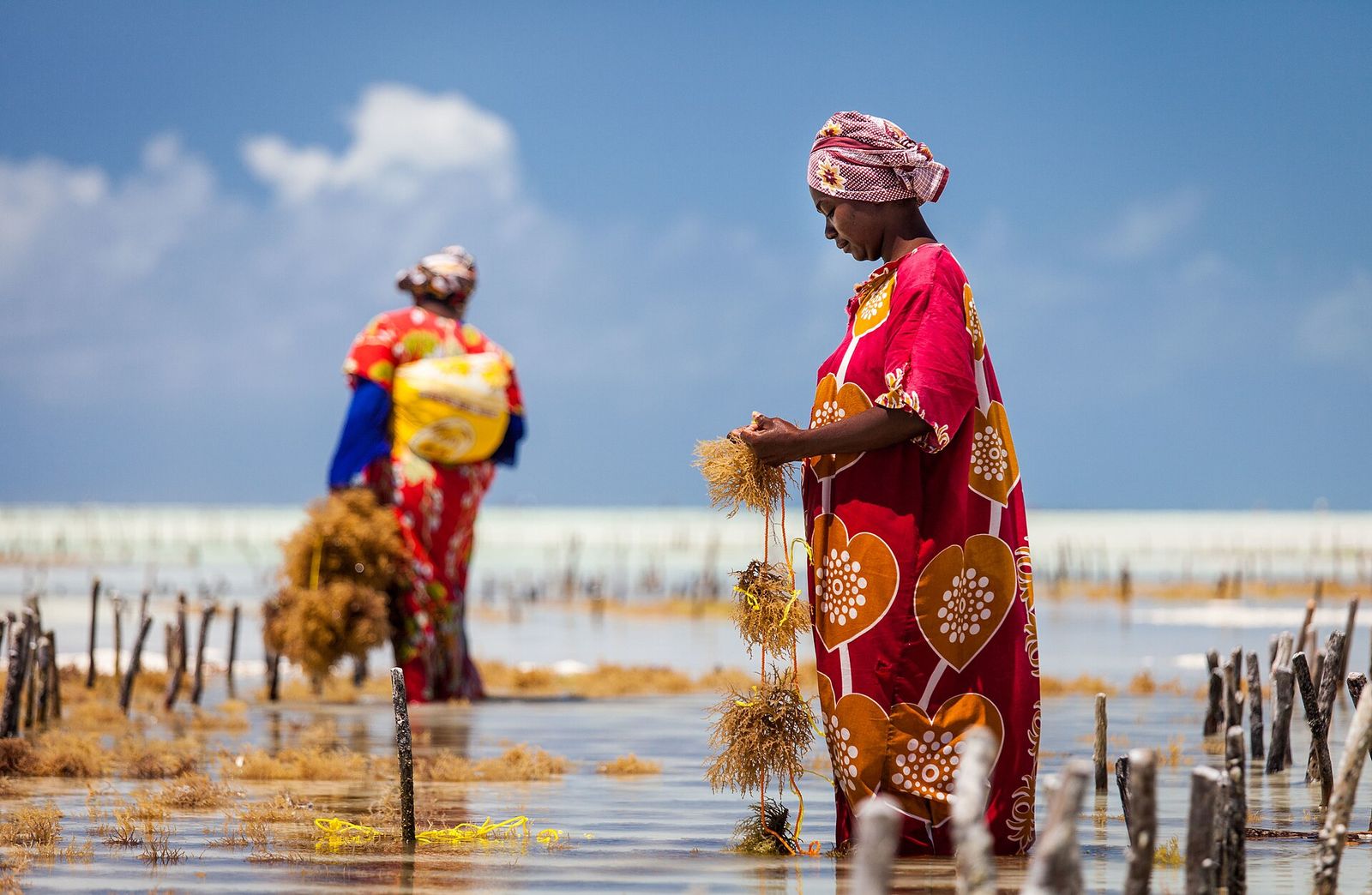
Choose Jambiani if you want a laid-back, authentic feel and a beautiful, quiet beach. It is one of our favourites for a longer stay.
Bwejuu and the Michamvi peninsula
North of Paje, Bwejuu has a long, palm-fringed beach and a very relaxed pace. The Michamvi peninsula curls round at the northern end; its west-facing side has calmer water and lovely sunsets over Chwaka Bay. The famous restaurant built on a rock in the sea is nearby, at Pingwe. You walk to it at low tide and take a little boat at high tide.
Choose Michamvi or Bwejuu if you want space, quiet and the option of sunset views on the east coast.
The south: Kizimkazi
At the southern tip, Kizimkazi is best known for dolphin trips. If you go, choose an operator that keeps its distance and does not chase the dolphins; ask before you book how they run their trips. The beaches here are less of a draw than in the north and east.
Quick comparison
| Beach | Swimming at low tide | Atmosphere | Best for |
|---|---|---|---|
| Nungwi | Mostly good | Busy, lively | Restaurants, nightlife, boat trips |
| Kendwa | Good | Relaxed, sociable | All-day swimming, sunsets |
| Matemwe | Limited | Very quiet | Snorkelling and diving Mnemba |
| Paje | Limited | Young, sporty | Kitesurfing |
| Jambiani | Limited | Laid-back, village | Long, quiet stays |
| Michamvi / Bwejuu | Varies by side | Peaceful | Space, sunsets |
Combining a beach with Stone Town
However much you love the beach, save at least a night or two for Stone Town, the old trading town on the west coast and a UNESCO World Heritage Site. Its narrow lanes, carved doors, spice markets and rooftop sunsets give context to everything else you see on the island. A spice farm tour from Stone Town is a classic half day.
Many visitors start with two nights in Stone Town and then move to one beach, or split a longer stay between a north-coast beach for swimming and an east-coast beach for atmosphere.
When to go
The main dry seasons run roughly from June to October and from about December to February, and are the most popular times to visit. The long rains, usually around March to May, bring heavy showers and some lodges close or offer lower rates. There is a shorter rainy spell around November. Winds also shift with the monsoons, which matters for kitesurfers and for which coast is calmer, so ask your hotel what to expect for your dates.
Practical tips
- Entry insurance: foreign visitors entering via Zanzibar must buy the government’s mandatory inbound travel insurance from the Zanzibar Insurance Corporation, even if they already have their own cover. Use only the official site, inbound.visitzanzibar.go.tz, and see the ZIC notice and UK government advice for the current details. Keep your own comprehensive travel insurance as well.
- Dress respectfully: Zanzibar is mostly Muslim. Swimwear is fine on hotel beaches, but cover shoulders and knees in villages and Stone Town. During Ramadan, avoid eating and drinking in public in the daytime outside your hotel.
- Beach vendors (“beach boys”): a polite, firm “no, thank you” usually works. Book excursions through your hotel or a licensed operator.
- Sea urchins and coral: wear reef shoes at low tide on the east coast, and never stand on coral.
- Cash: ATMs are mostly in Stone Town and the larger villages. Carry some cash for smaller places.
- Sustainability: choose locally owned guesthouses and guides where you can, refill water bottles, and say no to single-use plastic.
Our verdict
If you want to swim whenever you like, head north to Kendwa or Nungwi. If you want atmosphere and village life, go east to Jambiani or Paje. If you want to snorkel the best reef, stay at Matemwe. And if you can, do two of them. The island is small enough that changing beaches halfway through is easy, and it shows you two very different sides of Zanzibar.
Where to stay in Zanzibar: hotel ideas
A short list of well-known places to stay, from budget to luxury, picked for location and style. We have not been paid to include them. Prices and availability change often, so compare rates and read recent reviews before you book.
- Budget
Paje by Night
Paje, east coast
A hotel in Paje that caters especially to kitesurfers.
Official website → - Mid-range
Emerson Spice
Stone Town
A hotel in the heart of Stone Town, good for a night or two of exploring the old town.
Official website → - Luxury
Zuri Zanzibar
Kendwa, north-west coast
A five-star beach resort on Kendwa beach in the north-west.
Official website → - Luxury
The Residence Zanzibar
Kizimkazi, south-west coast
A five-star resort at Kizimkazi on the quieter south-west coast.
Official website →
Timetables, park fees and entry rules change, sometimes at short notice. Check the official links in this guide before you book anything.